
Living on the Edge: A Guide to Hanoi Train Street, Vietnam’s Most Thrilling Coffee Experience
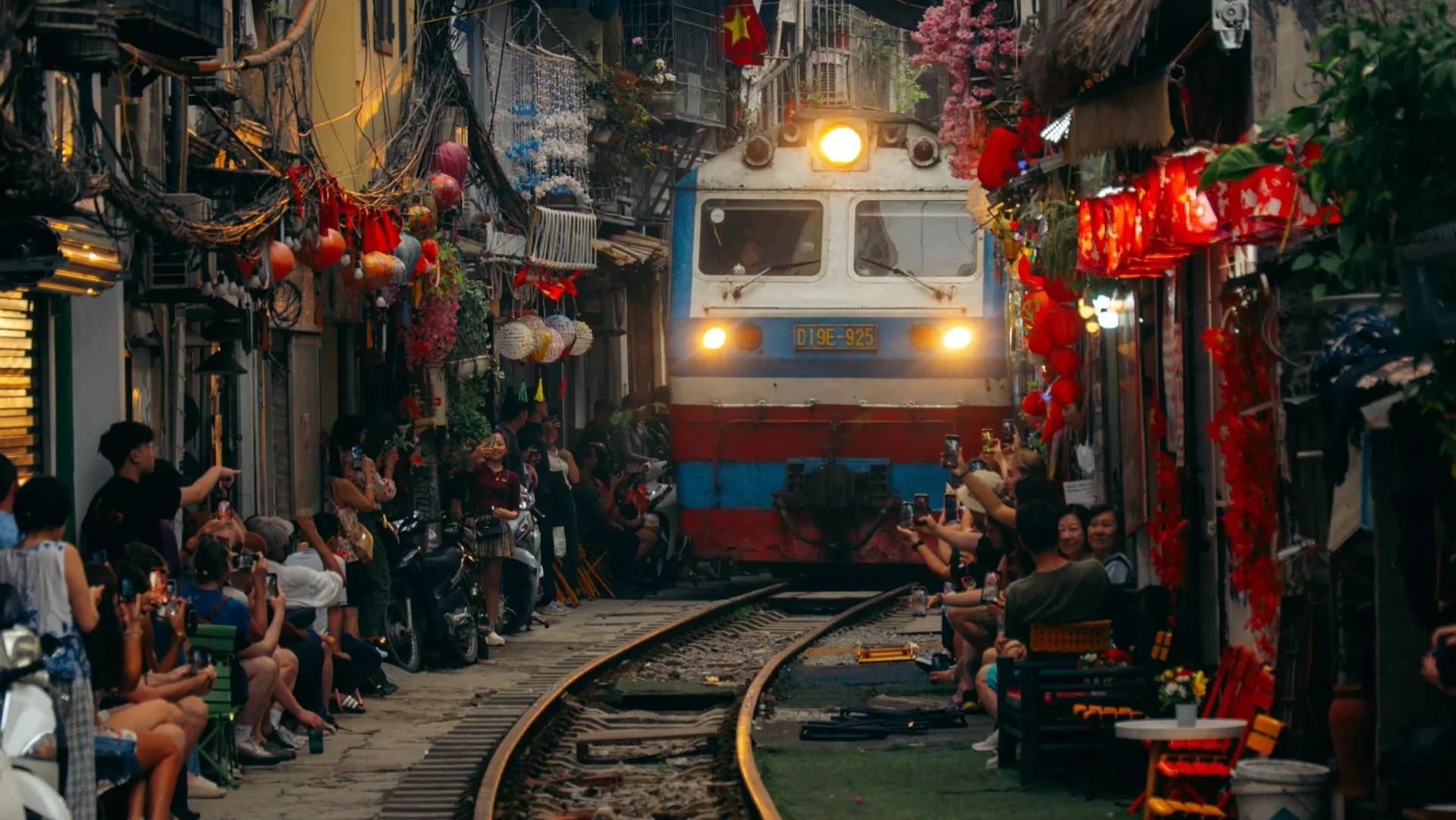
Hanoi is a city where time seems to slow down amidst clouds of Pho steam and the rich aroma of egg coffee. Yet, in a narrow alleyway cutting through a densely packed residential district, that tranquility shatters every few hours. A piercing siren wails, café owners frantically fold their stools, and tourists press themselves against the weathered walls. Within seconds, thousands of tons of steel roar past, just inches from your nose. Welcome to Hanoi Train Street, the most breathtaking—and poetic—attraction in Vietnam.
A Colonial Legacy That Refused to Fade
This railway was never intended for tourists. It is a functional relic of the French colonial era, built in 1902 to connect Hanoi with the northern provinces and coastal regions. For over a century, these tracks served as a "communal front yard" for residents. They dried laundry on the rails, cooked dinner on the sleepers, and let their children play in the gap—a harmony born from the necessity of urban space.
From Back Alley to Global Sensation
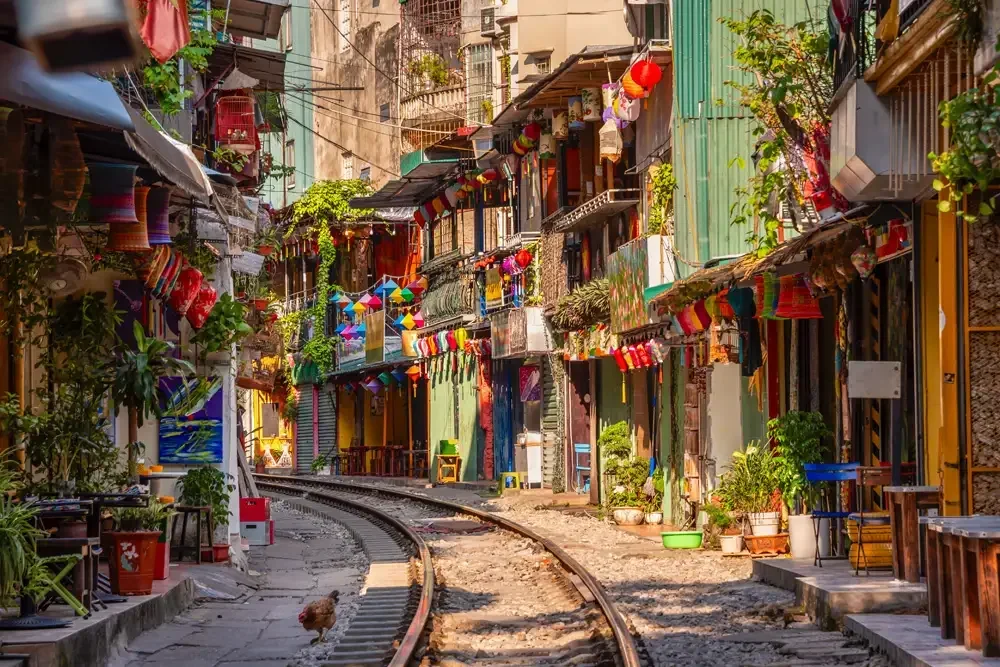
How did a logistics line become a global magnet? The answer lies in visual storytelling. In the age of social media, the stark contrast between intimate domestic life and massive industrial machinery created an unparalleled aesthetic appeal. Adaptive locals began transforming their terraces into tiny, chic bars and cafes, turning the "nuisance" of noise into an economic engine that revitalized the neighborhood.
Toward a "Living Museum" Era
As of March 2026, Hanoi Train Street is preparing for its next chapter. In response to ongoing safety concerns, city authorities have begun redirecting major passenger rail traffic to the outer ring routes. The ambitious goal is to transition this area into a Living Urban Museum. While the frequency of active trains may decrease in the coming years, the historical aura and café culture will be preserved as a managed cultural heritage zone.
A First-Timer’s Survival Guide
If you are planning your first visit, there are several "unwritten rules" to navigate:
The "Backdoor" Strategy: Due to strict security cordons, the main entrance at the Old Quarter is often guarded. The most reliable strategy is to contact a café owner via Instagram or WhatsApp beforehand. They will usually meet you at the barricades to ensure you enter as an "official guest."
The "Yellow Line" Ethics: Pay close attention to the yellow safety lines on the café floors. When the train approaches, you are strictly forbidden from crossing this line—not even to hold out a phone for a photo. Café owners are very firm about this, as they are legally responsible for your safety.
Costs & Consumption: There is no official entrance fee. Your "ticket" is simply ordering a drink. Expect to pay between 50,000 and 80,000 VND (approx. $2.00 – $3.25 USD) for a signature brew like Salt Coffee or Coconut Coffee.
Train Schedule (Updated March 2026)
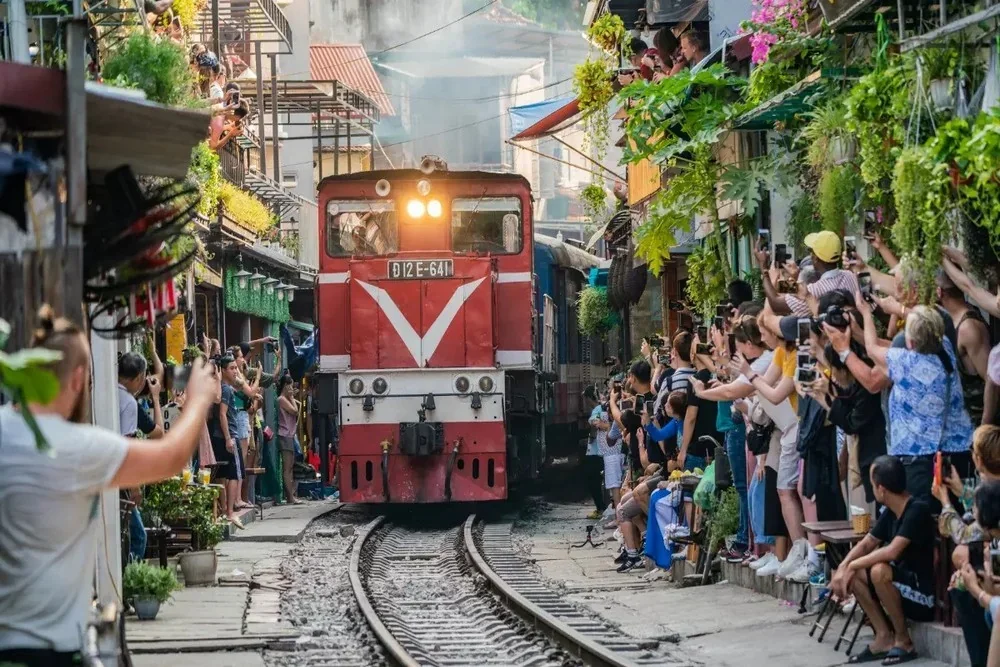
For the best photo opportunities, visit during the weekend when trains are more frequent:
Weekdays: Mostly evening schedules (typically after 7:00 PM).
Saturdays & Sundays: Multiple daytime crossings, usually around 08:30, 09:30, 11:30, and 15:20. Aim to be seated at a café at least 30 minutes before the scheduled time.
More Than Just Content
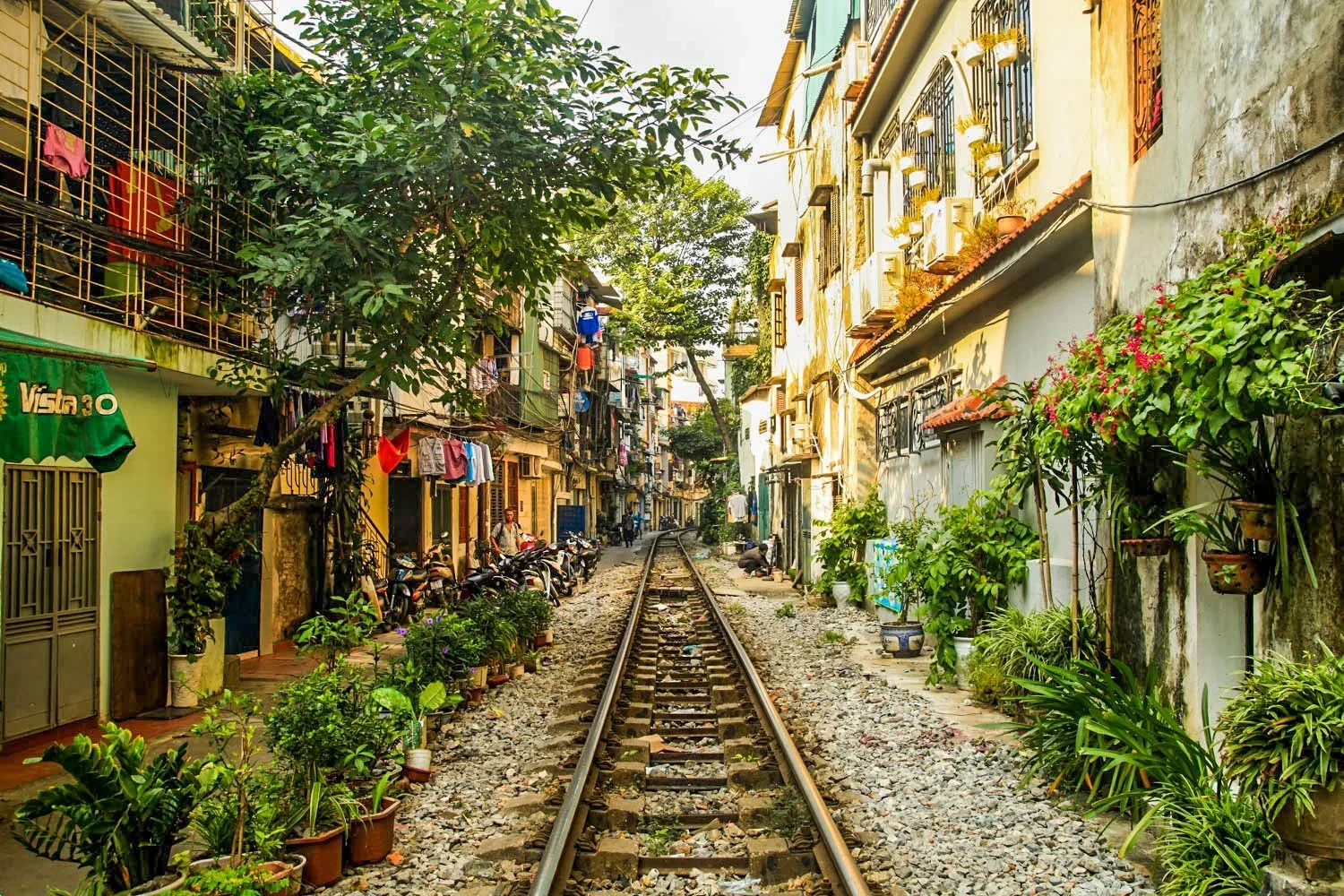
For the residents, this tourism boom is a lifeline. "This isn't just a business; it’s how we share the story of a resilient Hanoi," says one café operator in the Le Duan sector.
Hanoi Train Street teaches us that beauty often thrives in the most improbable places. There, amidst the roar of iron wheels and the scent of roasted beans, you will find the true, unyielding heartbeat of Vietnam.



Related Articles




What's New