The Sea Women of Jeju: Unveiling the Legend of South Korea’s Real-Life Mermaids
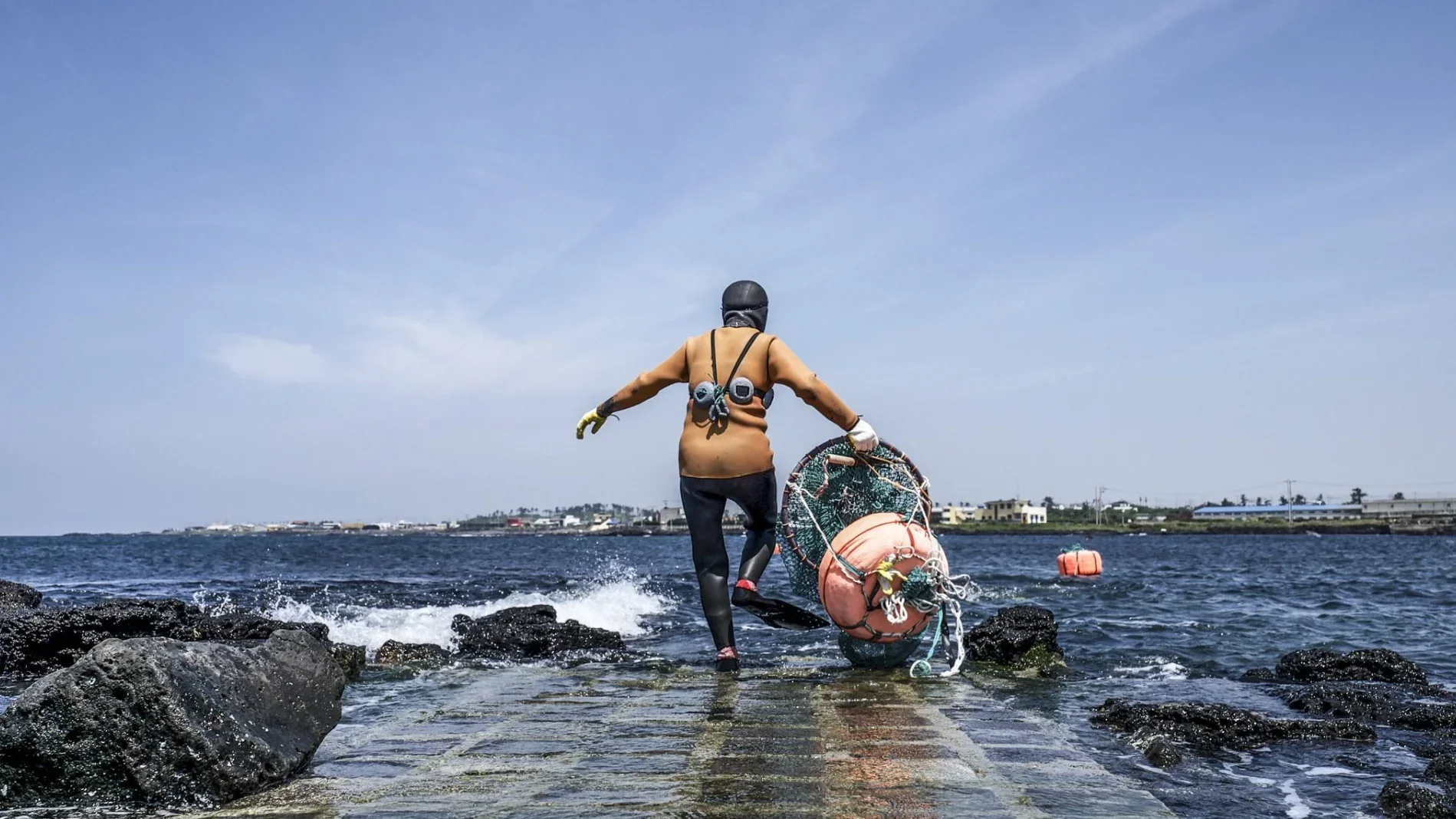
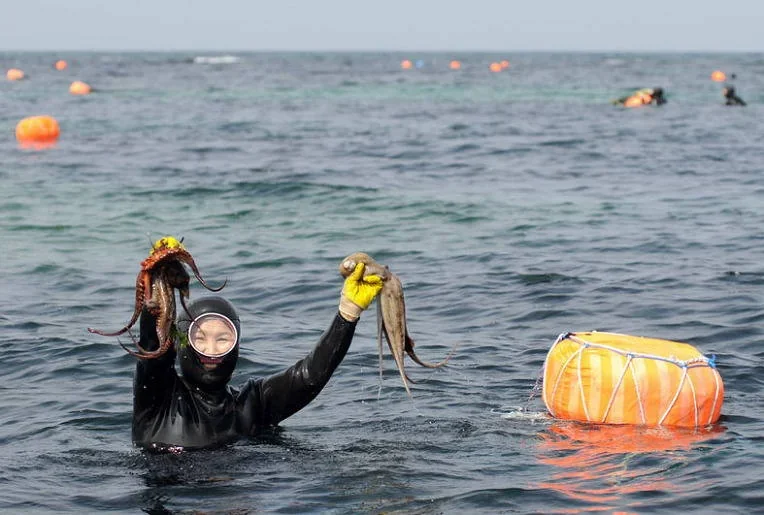
Amidst the rapid technological advancement of South Korea, Jeju Island preserves a cultural gem that continues to breathe beneath the ocean’s surface: the Haenyeo. Known as "sea women," these free-divers are more than just harvesters of abalone and sea urchins; they are symbols of resilience, gender equality, and local wisdom, recognized by UNESCO as an Intangible Cultural Heritage of Humanity.
Origins and the Rise of a Matriarchal Tradition
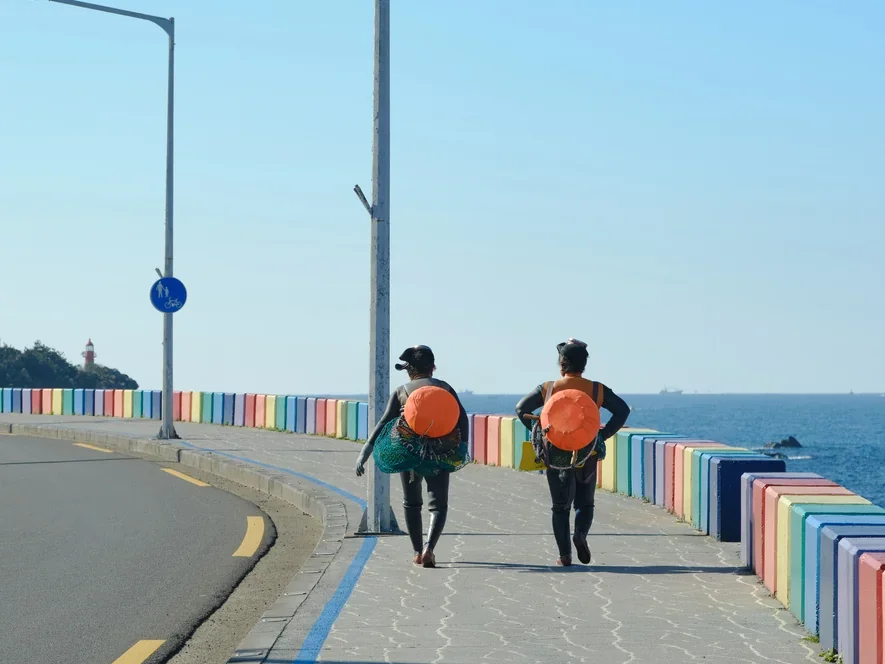
While diving traditions on Jeju date back to the 5th century, female dominance in the field only took hold in the 17th century. Historically, many men on the island were lost at sea due to wars or deep-sea fishing accidents. Simultaneously, the Joseon government imposed heavy taxes on male labor. To circumvent these financial burdens and ensure family survival, women stepped into the role of diving in the shallower coastal waters.
Biologically, women held a natural advantage: a higher body fat percentage, which helped them withstand the frigid waters longer than men. Over time, this role fostered a unique matriarchal social structure on Jeju, where women became the primary economic breadwinners—a rarity in historical East Asian societies.
Life in 2026: The Struggle for Regeneration
As of 2026, the Haenyeo community faces a critical turning point. Recent data shows that the number of active Haenyeo has dwindled to approximately 2,300, with over 63% of them aged 70 or older. Despite their advanced age, their physical prowess remains staggering. Research indicates that during a diving session, a Haenyeo spends up to 56% of her time underwater—a ratio comparable to marine mammals like sea otters.
Their modern life is aided by rubber wetsuits introduced in the 1970s, yet their technique remains unchanged: no oxygen tanks. They rely solely on a single breath and a distinctive whistling sound called sumbisori, emitted as they surface to release carbon dioxide and inhale fresh oxygen.
Economics: Between the Harvest and Subsidies
Being a Haenyeo is not a profession with a fixed salary. Their annual income typically ranges from 5 million to 20 million Won, depending on their skill level and sea conditions. However, because the work is classified as "3D" (Dirty, Dangerous, and Demanding), the Jeju Provincial Government provides significant financial backing.
To encourage a new generation, the government offers a monthly settlement allowance of 500,000 Won for three years to new divers under the age of 45. Additionally, those who retire after the age of 75 receive a monthly pension of 500,000 Won, ensuring a dignified life after decades of labor.
The Cultural and Economic Anchor of Jeju
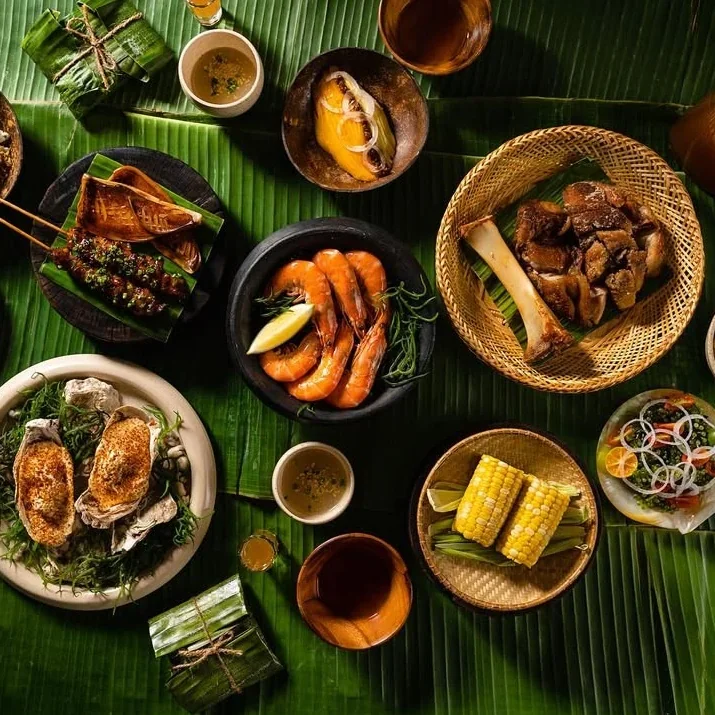
The Haenyeo are the "face" of Jeju’s tourism and culinary identity. Economically, they drive the local seafood markets, such as the Dongmun Market, providing a steady supply of fresh, hand-caught delicacies. Culturally, they uphold the concept of Gye—a cooperation system where divers watch over one another’s safety.
They are also fierce protectors of the environment. By refusing to use modern breathing apparatus, they prevent overfishing and maintain a harmonious balance with the ecosystem. Without the Haenyeo, Jeju would lose its heartbeat. Their bravery in plunging into the depths with nothing but their lungs is a profound reminder of the bond between humanity and nature.
Related Articles

What's New

What's New