
The Pulse of Tokyo: Why Shibuya Crossing is a Must-Visit Global Icon
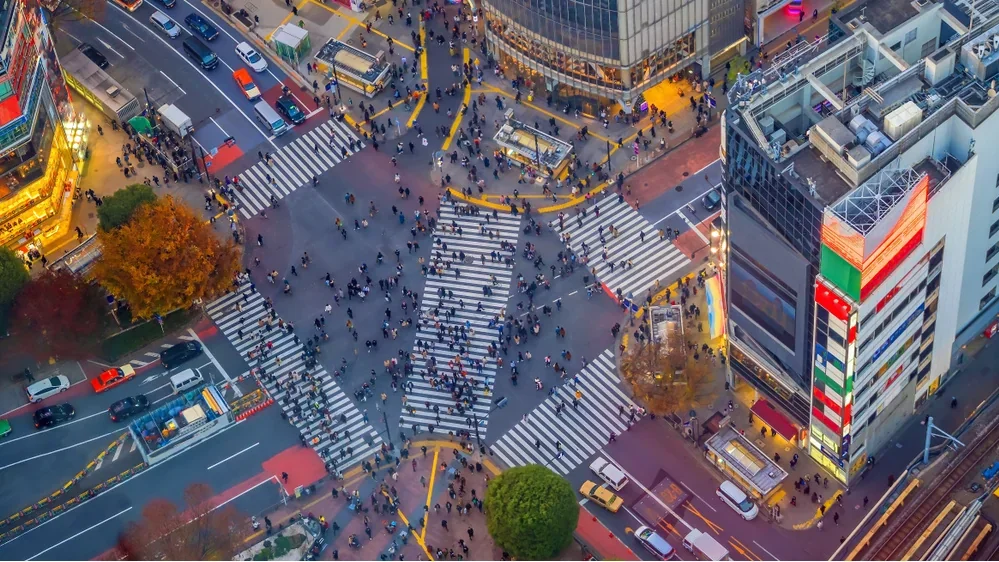
Shibuya Crossing is more than just a functional intersection; it is the rhythmic heartbeat of Tokyo. Imagine this: every two minutes, the traffic lights turn red, the vehicles come to a synchronized halt, and a tidal wave of humanity—sometimes up to 2,500 people per cycle—pours into the asphalt from every direction. This phenomenon, famously known as the "Scramble," creates a mesmerizing display of what locals call organized chaos.
If you are planning a trip to Japan, Shibuya Crossing isn't just a transit point; it is a cultural rite of passage. Here is everything you need to know about this neon-lit marvel.
A Brief History: From Village to Pop Culture Phenomenon
In the late 19th century, Shibuya was a quiet village on the outskirts of Tokyo. Its transformation began in 1885 with the opening of the Yamanote Line. However, the modern "scramble" diagonal crossing—where pedestrians reclaim the entire intersection—was officially introduced in 1973.
Why has it become a photography hotspot?
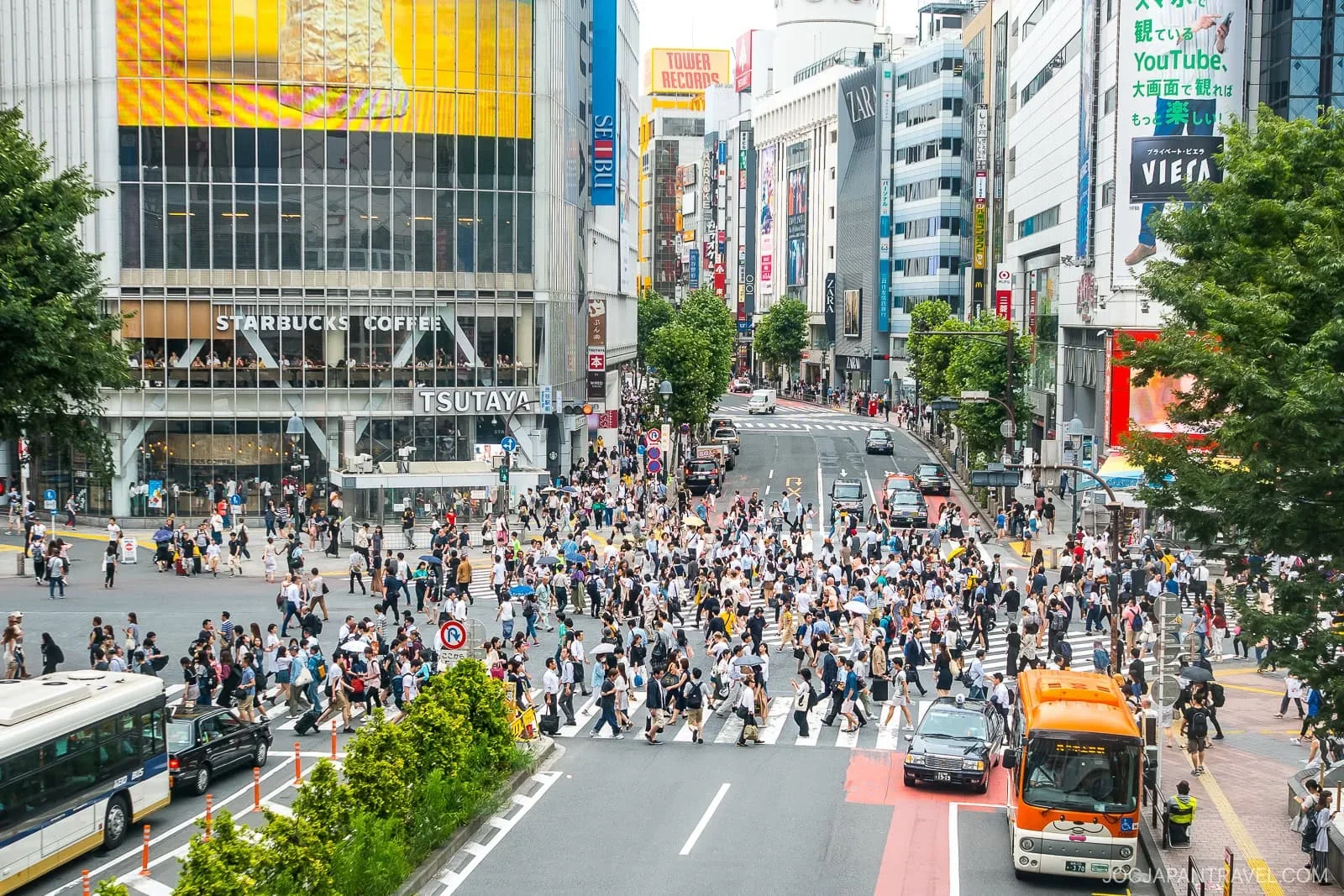
The intersection’s global fame skyrocketed in the early 2000s. Hollywood blockbusters like Lost in Translation (2003) and The Fast and the Furious: Tokyo Drift (2006) used Shibuya to symbolize a futuristic, hyper-modern Japan. With the rise of Instagram and TikTok, the act of "crossing the Scramble" evolved from a daily commute into a viral bucket-list experience.
How to Get There
Shibuya is one of Tokyo’s most connected transport hubs, making it incredibly accessible.
By Train: Take the JR Yamanote Line, Tokyo Metro (Ginza, Hanzomon, or Fukutoshin Lines), or the Keio Inokashira Line to Shibuya Station.
The Exit: Follow the signs for the Hachiko Exit. As soon as you step outside, you will see the legendary Hachiko Statue and the massive intersection right in front of you.
How to Experience the Crossing Like a Pro
To truly appreciate the scale of Shibuya, you need two perspectives: one from the ground and one from above.
Join the Flow: Don't just watch from the sidelines. Step into the crowd when the light turns green. The magic of Shibuya is that, despite the thousands of people, no one actually bumps into each other. It’s a silent, fluid dance of urban navigation.
The Aerial View: For that perfect time-lapse or bird's-eye photo, head to these spots:
SHIBUYA SKY: Located on the 47th floor of Shibuya Scramble Square, this observation deck offers a 360-degree view of Tokyo and a direct look down at the crossing.
Mag’s Park (Magnet by Shibuya 109): A rooftop terrace that provides a sharp, unobstructed angle of the intersection—perfect for creators.
Starbucks Tsutaya: The classic (though often crowded) second-floor window seat overlooking the street.
Etiquette: Do’s and Don’ts
To ensure you have a great time without disrupting the flow of the city, keep these tips in mind:
Do
Keep Moving While Filming
It’s perfectly fine to hold your phone or gimbal up to capture the chaos, but you must maintain a steady walking pace. Think of it as a moving parade—if you stop, the rhythm breaks.
Visit During a Rainy Evening
One of the most iconic sights at Shibuya is a "sea of transparent umbrellas" glowing under the neon lights. If it rains during your trip, don't stay inside—head to the crossing for the most cinematic shots.
Pay Your Respects to Hachiko
Don't forget to visit the statue of Japan’s most loyal dog, located just a few meters from the crossing. It’s the ultimate meeting point and a piece of history you shouldn't miss.
Don’t
Stop Dead for a Pose
The biggest "rookie mistake" is stopping in the dead center of the intersection for a static photo. With thousands of people behind you, this creates a human traffic jam and can be quite frustrating for locals.
Block the Sidewalk Entrances
While waiting for the light to turn green, stand back and give space to the people exiting the station. Blocking the flow of commuters is considered impolite in Japanese culture.
Forget to Look Up
While the crowd is fascinating, the giant 3D LED screens (like the famous jumping Akita dog) and the towering skyscrapers are what give Shibuya its "Cyberpunk" feel.
Why It Remains Mandatory
Shibuya Crossing captures the essence of Japan: the perfect balance between massive scale and meticulous order. Surrounding the crossing are giant LED screens, flagship department stores, and hidden izakayas, making it the ultimate starting point for any Tokyo adventure.
Whether you are there to capture the perfect reel or to feel the energy of 2,500 strangers moving in harmony, Shibuya Crossing remains the most vibrant proof that you have truly arrived in Tokyo.
Discover More

Related Articles
What's New





What's New