
Beyond the White Porcelain: The Resilience of the Modern-Day Geisha
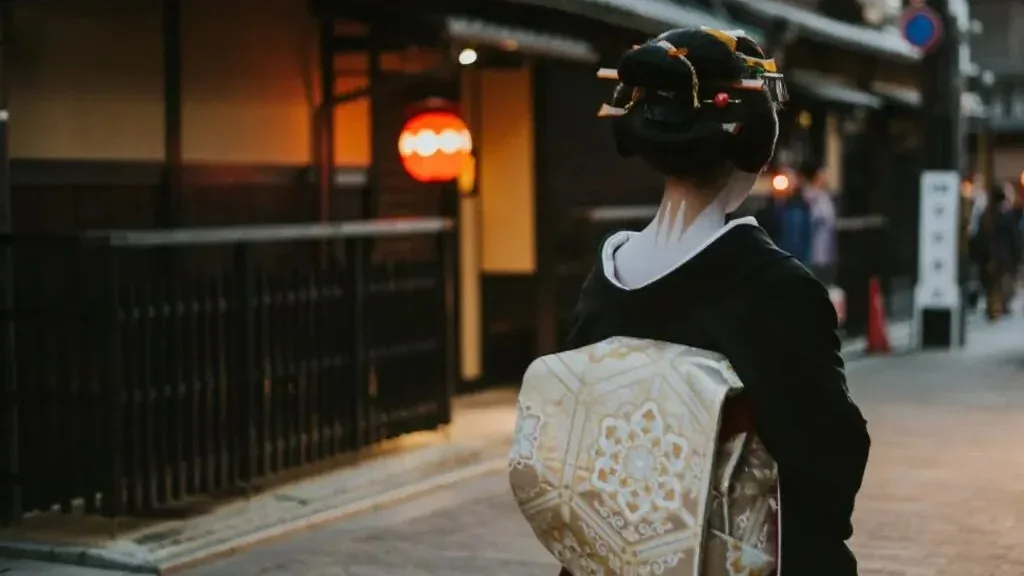
As twilight descends upon the narrow alleys of Gion, Kyoto, a rhythmic "clack-clack" echoes against the pavement. It is the sound of okobo—high wooden sandals—worn by figures draped in exquisite silk. To the passing tourist, they are a fleeting photo opportunity; to Japan, they are the living pulse of a centuries-old heritage.
The Art of the Person: Defining the Geisha
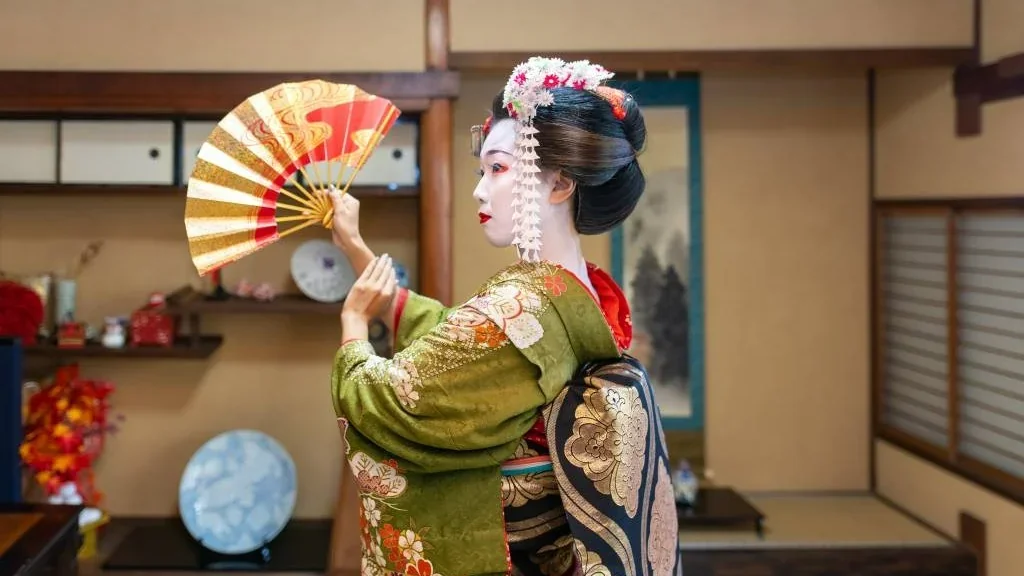
A common misconception often paints the Geisha through a lens of "entertainment" with a negative connotation. However, the word Geisha (芸者) literally translates to "artist." Derived from the kanji Gei (art) and Sha (person), these individuals are practitioners of refined traditional arts.
Their primary role is not to seduce, but to enchant. Through the mastery of the three-stringed shamisen, classical dance, the intricate tea ceremony, and the subtle art of conversation, they transform a dinner banquet (ozashiki) into a masterpiece of hospitality.
An Unexpected Origin: The First Geishas Were Men
History reveals a surprising twist: the first Geishas were actually men, known as Taikomochi or Houkan. Emerging in the 13th century, they served as advisors and jesters to the Samurai.
It wasn't until the mid-18th century (around the 1750s) that women entered the profession. Their prowess in dance and music was so captivating that they quickly eclipsed their male counterparts. By the turn of the century, the term "Geisha" became synonymous with the elegant women we recognize today.
The Aesthetics of Timelessness
A Geisha’s appearance is a meticulously crafted visual narrative. Travelers will often encounter two distinct stages of this career:
- Maiko: The apprentice Geisha, usually a teenager. She wears vibrant, long-sleeved furisode kimonos, ornate kanzashi hairpins, and makeup that leaves a distinctive "W" or "V" shape of bare skin at the nape of the neck.
- Geiko: The term for a fully-fledged Geisha in Kyoto. Her look is more understated and sophisticated, featuring shorter-sleeved kimonos and more subtle makeup.
The iconic white-painted face was born of necessity. In the era before electricity, this stark white makeup helped reflect candlelight, ensuring the artist's expressions remained visible to guests in dimly lit tatami rooms.
The Daily Grind: A School of Discipline
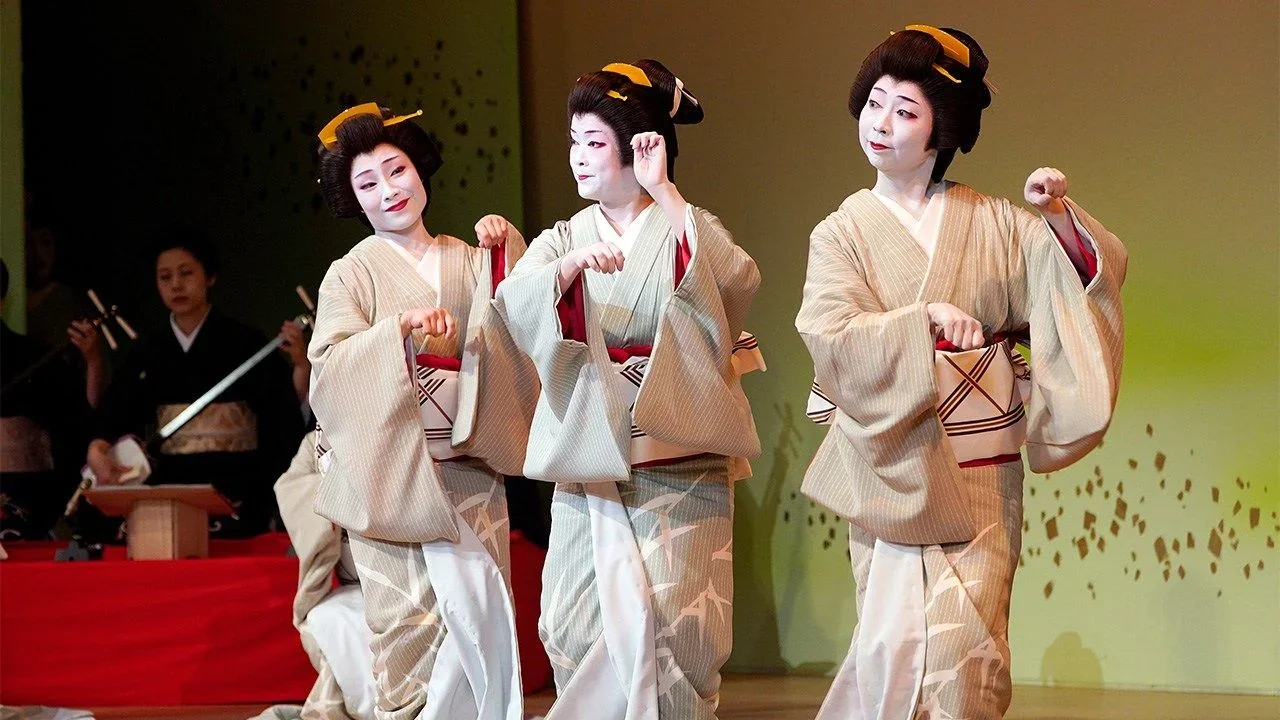
Behind the graceful exterior lies a grueling daily regimen. A Maiko’s day begins long before the first guest arrives, involving a lifelong commitment to:
- Musical Mastery: Hours are spent perfecting the Shamisen and traditional vocals (Nagauta), often until the fingers are calloused and the breath control is flawless.
- Classical Dance (Buyo): Every tilt of the head and flick of a fan conveys a story. These dances are poetic legacies of ancient Japan, requiring immense core strength and precision.
- The Art of Presence: They train in the nuances of Omotenashi (Japanese hospitality)—learning how to pour sake perfectly, walk without a sound, and stay informed on current affairs and literature to be witty, intellectual companions.
Why the Hardship Matters
In an age of instant gratification, why endure such discipline? It is about authenticity. To a Geisha, grace cannot be faked; it must be lived. Furthermore, since many of these arts are passed down orally from senior (Onesan) to junior, the Geisha is essentially a walking library of Japanese culture. If they stop practicing, centuries of history vanish.
Geisha in the Modern World
Once the "celebrities" and trendsetters of the Edo and Meiji eras, Geishas today serve as national cultural assets. While their numbers have dwindled from 80,000 in the 1920s to fewer than 2,000 today, the "Flower and Willow World" (Karyukai) is not dying—it is evolving.
Many Okiya (Geisha houses) now utilize social media to demystify their craft, ensuring that the younger generation and international visitors understand the value of their tradition.
Where to Find Them Today
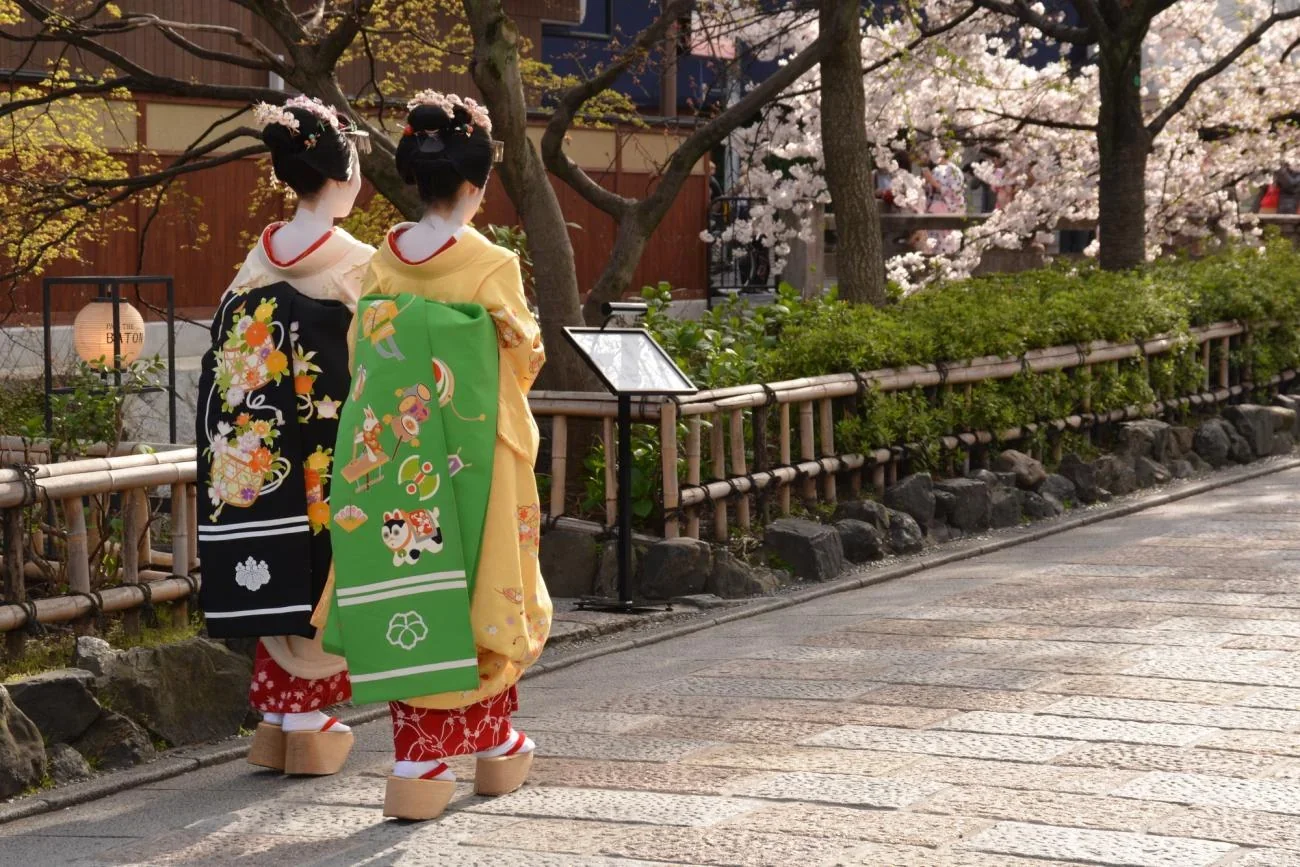
For those visiting Japan, the districts of Gion and Pontocho in Kyoto remain the heart of this culture. Between 5:00 PM and 6:00 PM, you may catch a glimpse of them heading to appointments. However, etiquette is paramount: visitors are urged to be respectful, keep their distance, and never obstruct their path. For a deeper experience, high-end traditional restaurants (Ryotei) offer hosted dinners by reservation.
The New Generation: Choice Over Circumstance
The biggest shift in modern times is the "who" behind the makeup. In the past, girls often entered the world of Geisha due to economic hardship or family pressure. Today, it is a voluntary choice.
Modern Geishas are often high school or university graduates who walk away from a "standard" career to pursue the arts. For them, wearing the kimono is not about being trapped in the past—it is a professional pride in being an elite artist, keeping the heartbeat of Japanese tradition alive in the 21st century.
Discover More

Related Articles

What's New




What's New