Where to Go in Ho Chi Minh to Live Like a Local
The real magic of Ho Chi Minh City doesn't sit on the main roads—it’s tucked away in the dizzying hẻms (alleyways), the quiet chatter of vintage coffee shops, and the chaotic charm of local street markets. Ready to dive deeper? This guide shows you where to go in Ho Chi Minh to find authentic, local life. From the hidden speakeasies and the trendiest District 4 food streets to the artistic Café Apartments, embrace the true spirit of Saigon and discover the neighborhood haunts locals love.
Cu Chi Tunnel
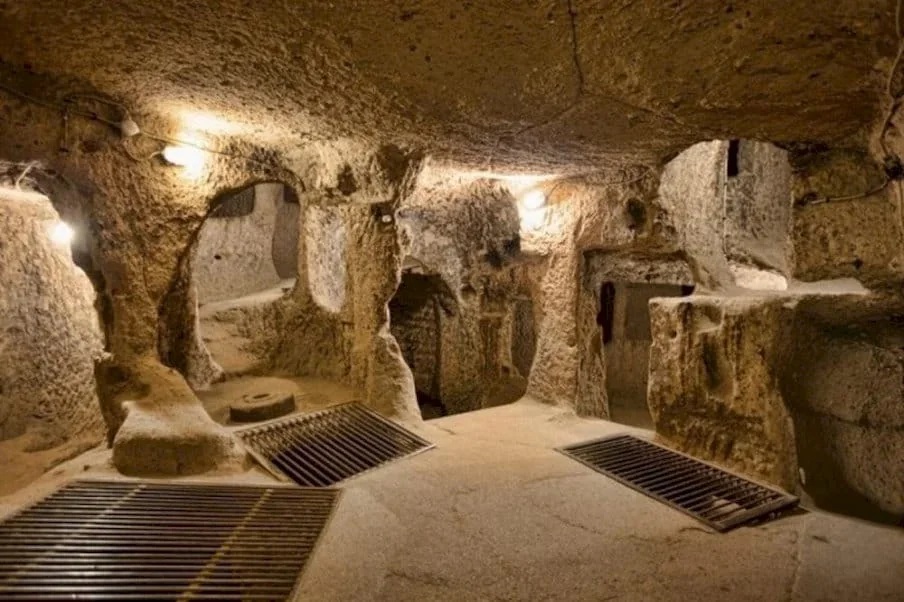
The Cu Chi Tunnels are one of Ho Chi Minh City's most essential historical sites, located about 60 kilometers northwest of the city center, and stand as a powerful testament to Vietnamese ingenuity and resilience during the Vietnam War. This vast, intricate underground network, which once stretched over 250 kilometers, served as a subterranean city for Viet Cong soldiers, complete with living quarters, kitchens, hospitals, and command centers. Today, visitors can explore sections of the tunnels (some of which have been safely widened), discover camouflaged entrances, see various booby traps, and gain a chilling, firsthand perspective on the harsh conditions and clever guerrilla tactics used. A visit here is a mandatory, impactful history lesson that brings the conflict's strategic and human elements vividly to life.
Saigon River
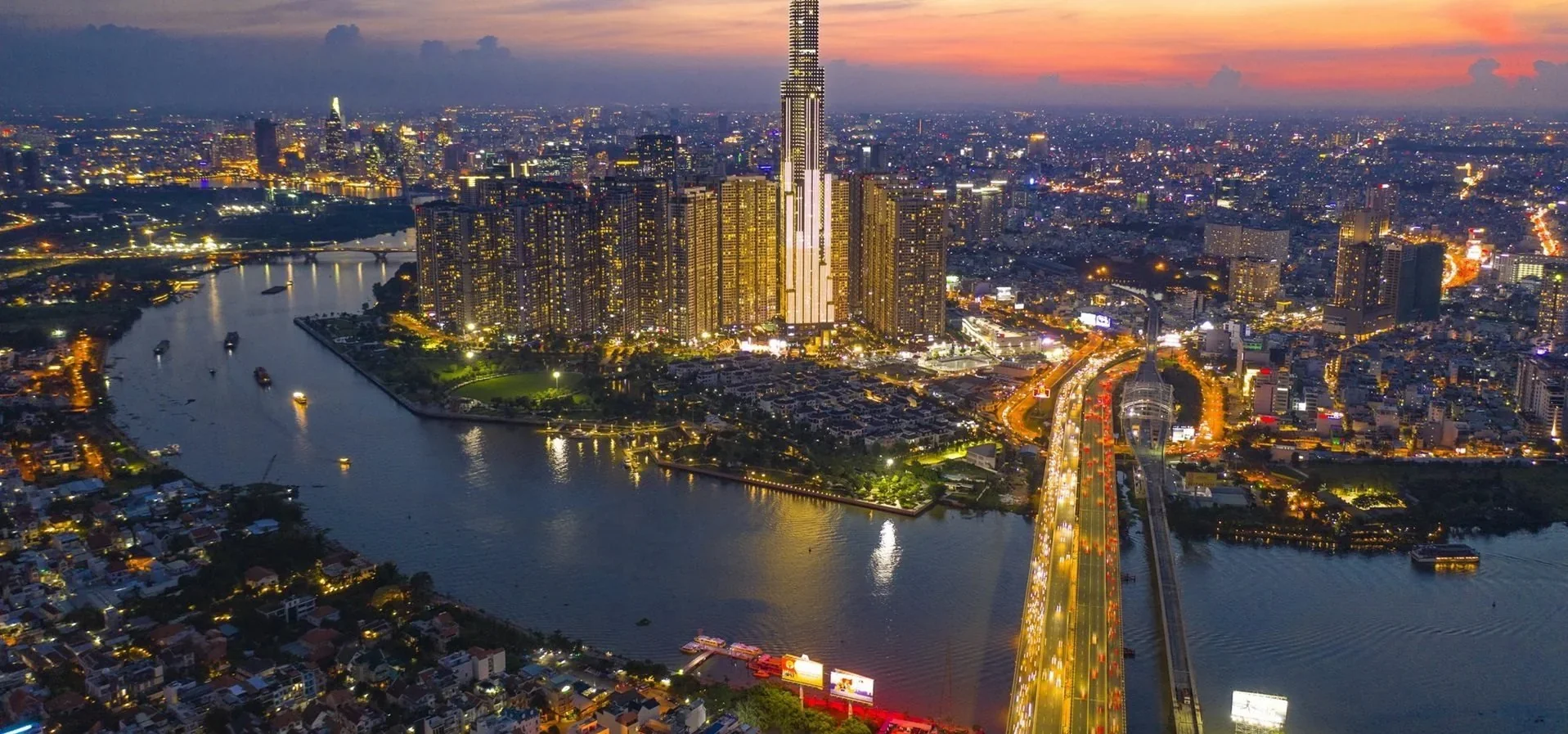
The Saigon River is the literal and metaphorical lifeblood of Ho Chi Minh City, offering a crucial contrast to the non-stop hustle of the city streets and a unique perspective on the evolving skyline. Visitors should consider taking a scenic Saigon Water Bus ride, which is an affordable and local way to travel from Bach Dang Wharf while admiring landmarks like the Landmark 81 skyscraper and the historic Nha Rong Wharf (Ho Chi Minh Museum). For a more memorable experience, numerous companies offer sunset or dinner cruises that glide past the dazzling night lights, or you can simply stroll along the Bach Dang Wharf Park in District 1 for a relaxing, atmospheric walk and photo opportunities, especially during the cooler evening hours.
War Remnants Museum
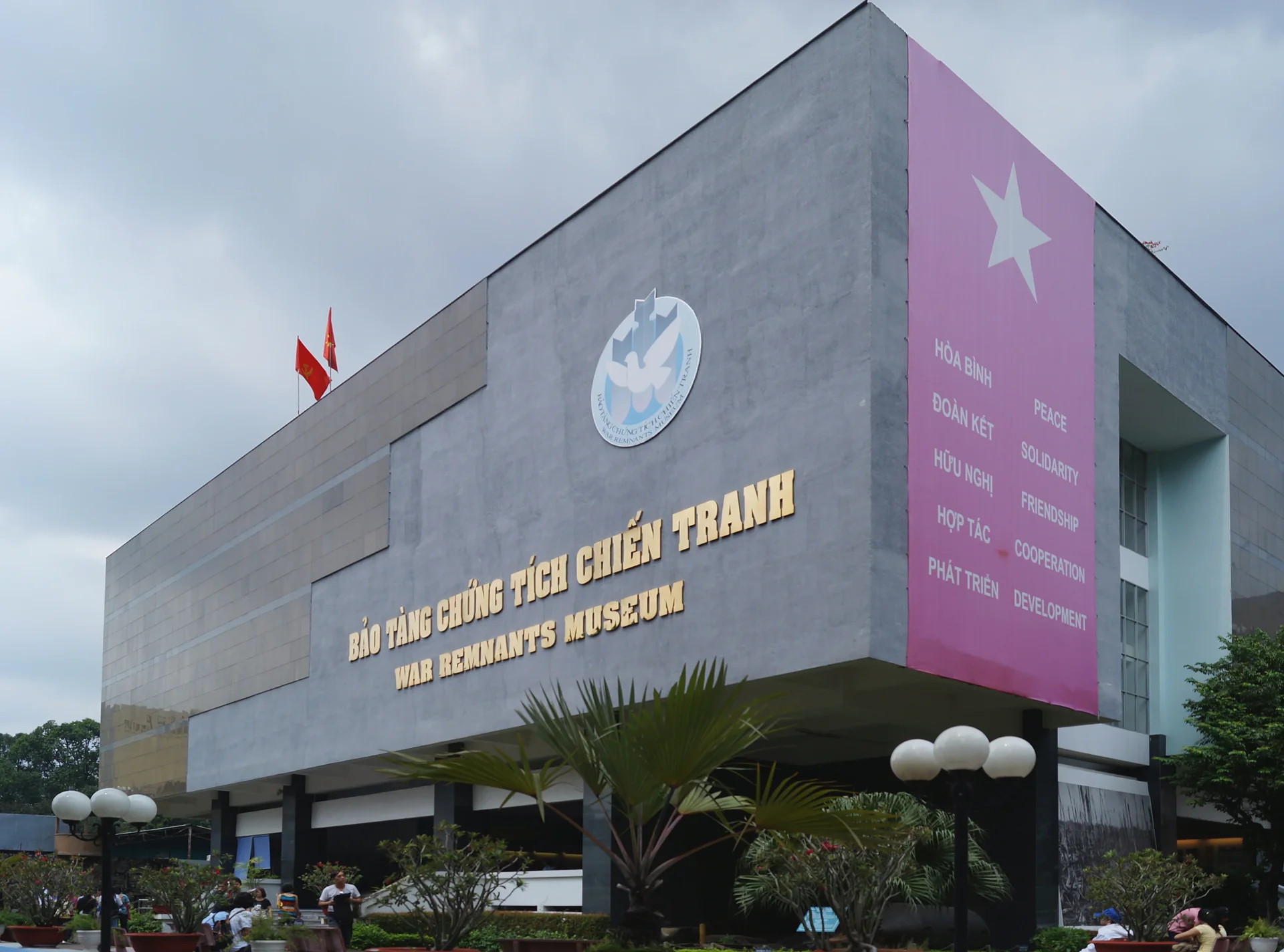
The War Remnants Museum is a profoundly essential and often harrowing visit in Ho Chi Minh City, dedicated to documenting the brutality and devastating human cost of the Vietnam War (referred to locally as the American War) from a distinct Vietnamese perspective. Outside, the courtyard features large military hardware, including captured U.S. tanks, aircraft, and artillery. Inside, the exhibits are highly graphic and emotionally intense, focusing on themes such as the widespread use and lasting effects of Agent Orange, the documentation of war crimes, and the resilience of the Vietnamese people. One of the most notable sections is the Requiem Gallery, showcasing powerful photographs by international war correspondents who lost their lives in the conflict. A visit here is crucial for understanding the country's defining historical chapter and requires an hour or two of careful reflection.
Ben Thanh Market
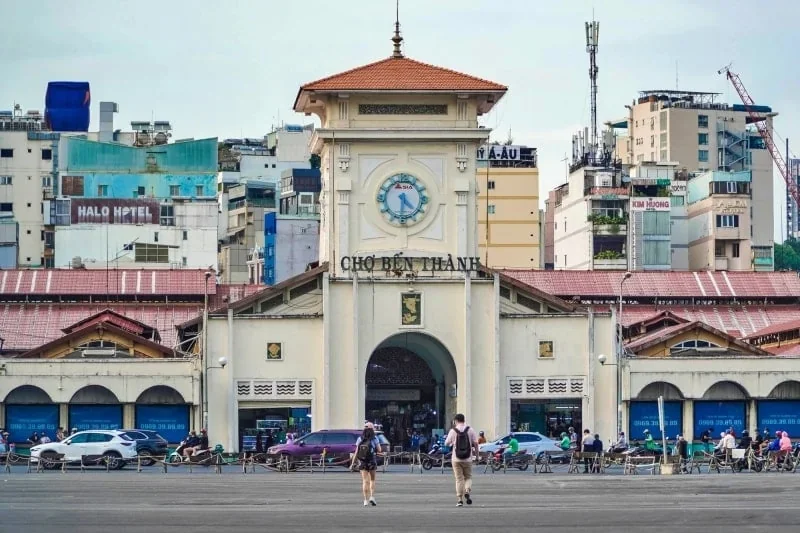
Ben Thanh Market is an essential stop and an undisputed symbol of Ho Chi Minh City, famous for its iconic clock tower and central location in District 1. As one of the city's oldest surviving structures, this bustling market offers two distinct experiences: a vibrant day market (operating 6:00 AM - 6:00 PM) where you can haggle for everything from coffee, dried goods, and textiles to unique Vietnamese handicrafts; and a lively night market (operating 6:00 PM onwards) that spills onto the surrounding streets, focusing heavily on a wide variety of delicious local street food. Visitors should be prepared for the high energy and the need to bargain to secure good prices on souvenirs, but the market's authentic atmosphere and diverse culinary offerings make it a mandatory immersion into the commerce and culture of Saigon.
Landmark 81 Tower
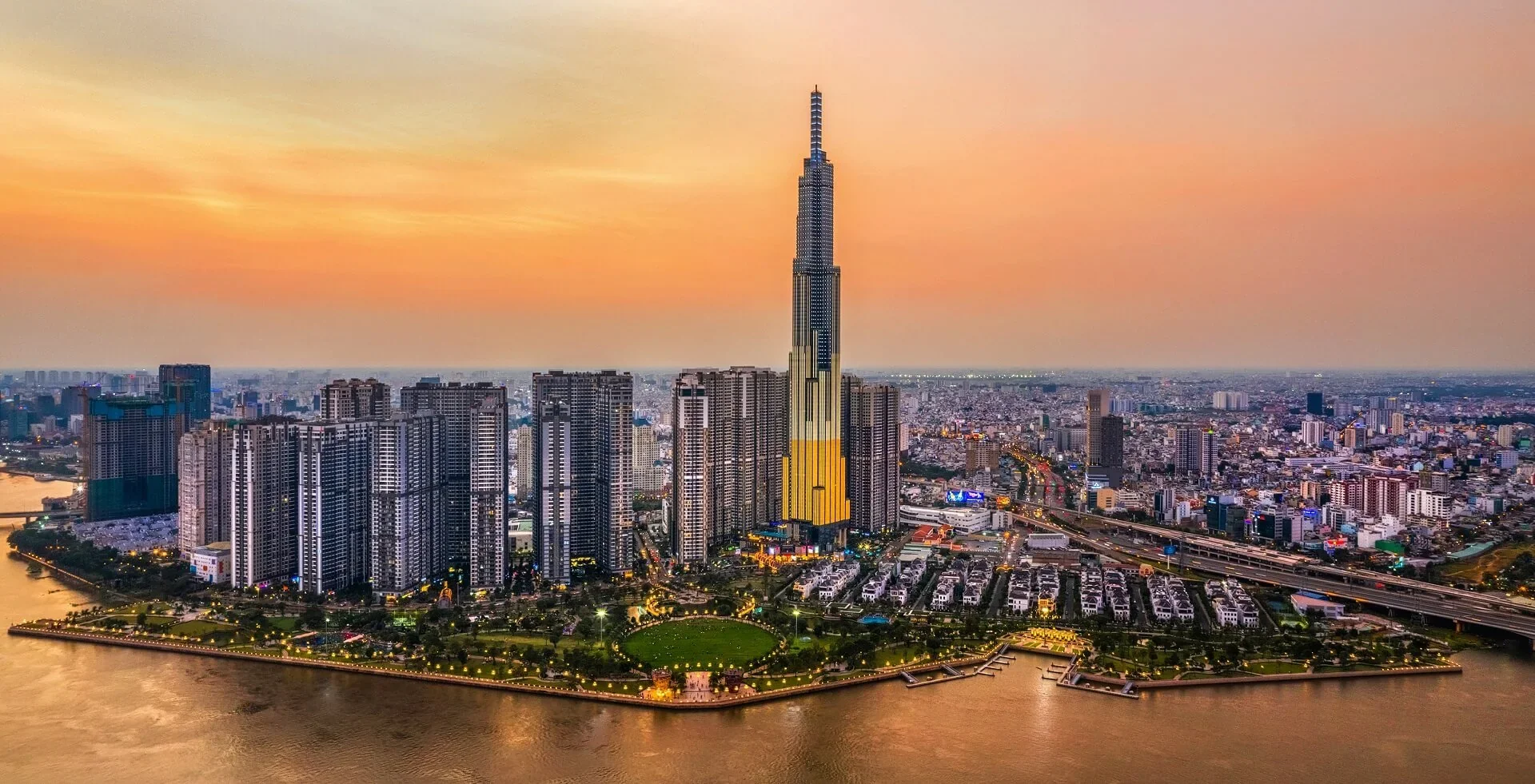
The Landmark 81 tower, part of the Vinhomes Central Park complex in the Binh Thanh District, is a modern architectural icon and Vietnam's tallest skyscraper, symbolizing the country's rapid development. The building itself is a mixed-use destination, offering luxury, entertainment, and a spectacular view. Visitors flock to the Landmark 81 SkyView on the upper floors (79th to 81st), which, for a fee, provides a breathtaking 360-degree panoramic view of Ho Chi Minh City, the Saigon River, and the surrounding area. Beyond the observation deck, you can enjoy high-end shopping at the Vincom Center mall located at the base, relax in the adjacent Vinhomes Central Park (inspired by New York's Central Park), or dine and drink at the high-altitude restaurants and bars. A visit offers a stark contrast to the city's historical sites, showcasing its ambitious, modern future.
Bui Vien Walking Street
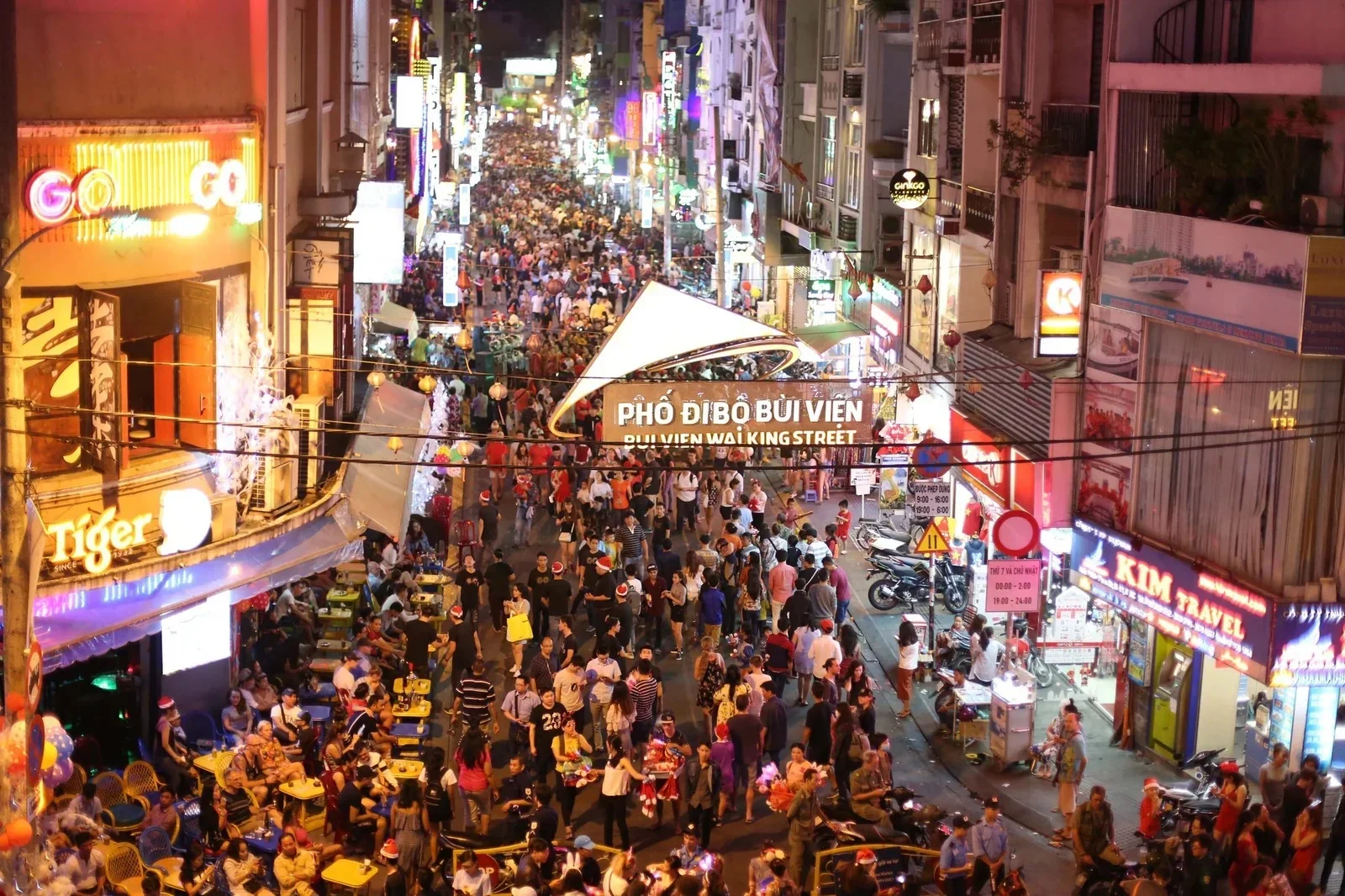
Bui Vien Walking Street is the chaotic, neon-lit heart of Ho Chi Minh City’s nightlife and the unofficial "Backpacker District" in District 1, often dubbed "Western Street." This thoroughfare completely transforms after dark, especially on weekend evenings (7 PM to 2 AM) when it becomes pedestrian-only and vehicles are banned. The street is a sensory overload: music blasts from every bar and pub, vendors set up stalls selling cheap "Bia Hơi" (local draft beer), and the air fills with the aroma of sizzling street food. Visitors flock here to enjoy the wild, high-energy atmosphere, watch impromptu street performances, grab a late-night snack, or simply people-watch from a low plastic stool, making it the city's most vibrant and intense social hub.
Saigon Opera House
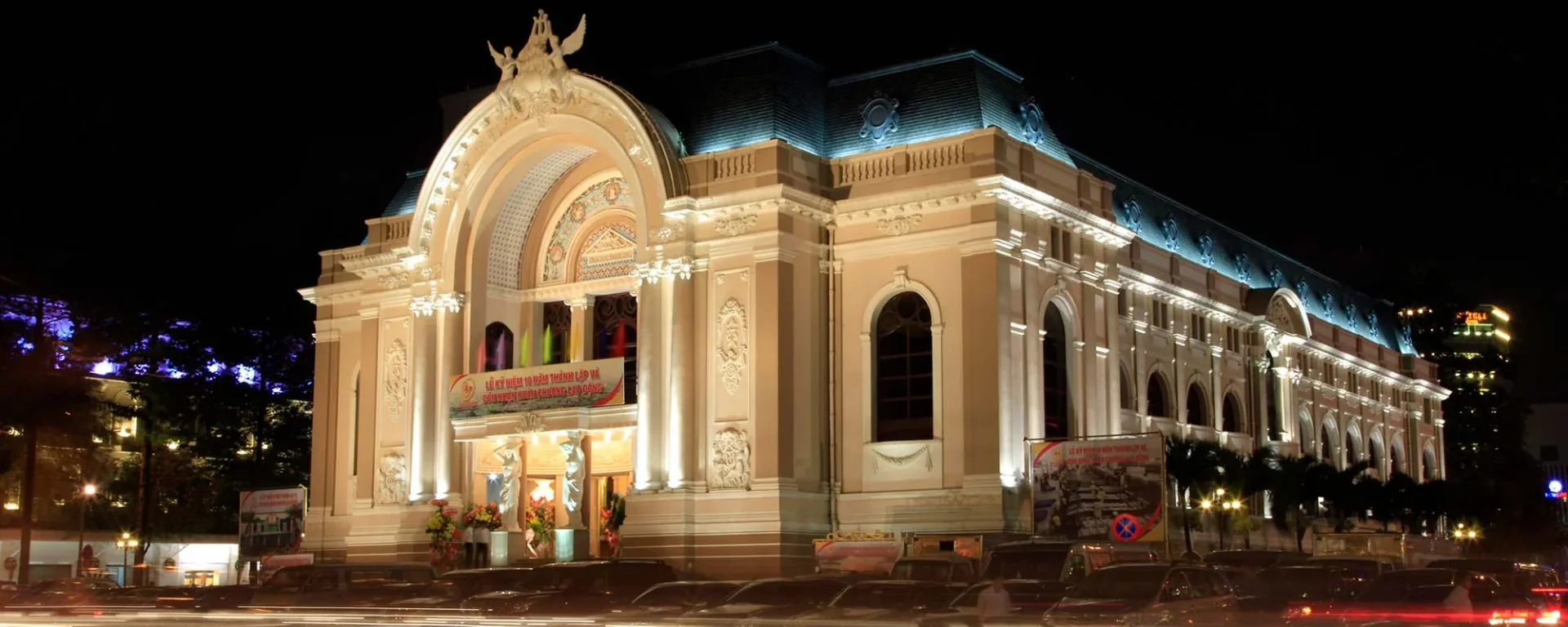
The Saigon Opera House (officially the Municipal Theatre of Ho Chi Minh City) is a magnificent architectural landmark and a must-see example of French colonial elegance located at the heart of District 1. Built in the late 19th century and inspired by the Petit Palais in Paris, its ornate white facade, complete with intricate carvings, statues, and sweeping staircases, captures the "flamboyant" style of the French Third Republic. While the exterior can be admired freely at any time, especially when beautifully illuminated at night, access to the lavish interior is typically limited to those attending a performance. It is a premier venue for world-class cultural shows, most notably the highly acclaimed A O Show, which uses traditional music and bamboo circus arts to depict the contrasts between rural and urban Vietnamese life, making it a spectacular way to engage with modern Vietnamese culture.
Independence Palace
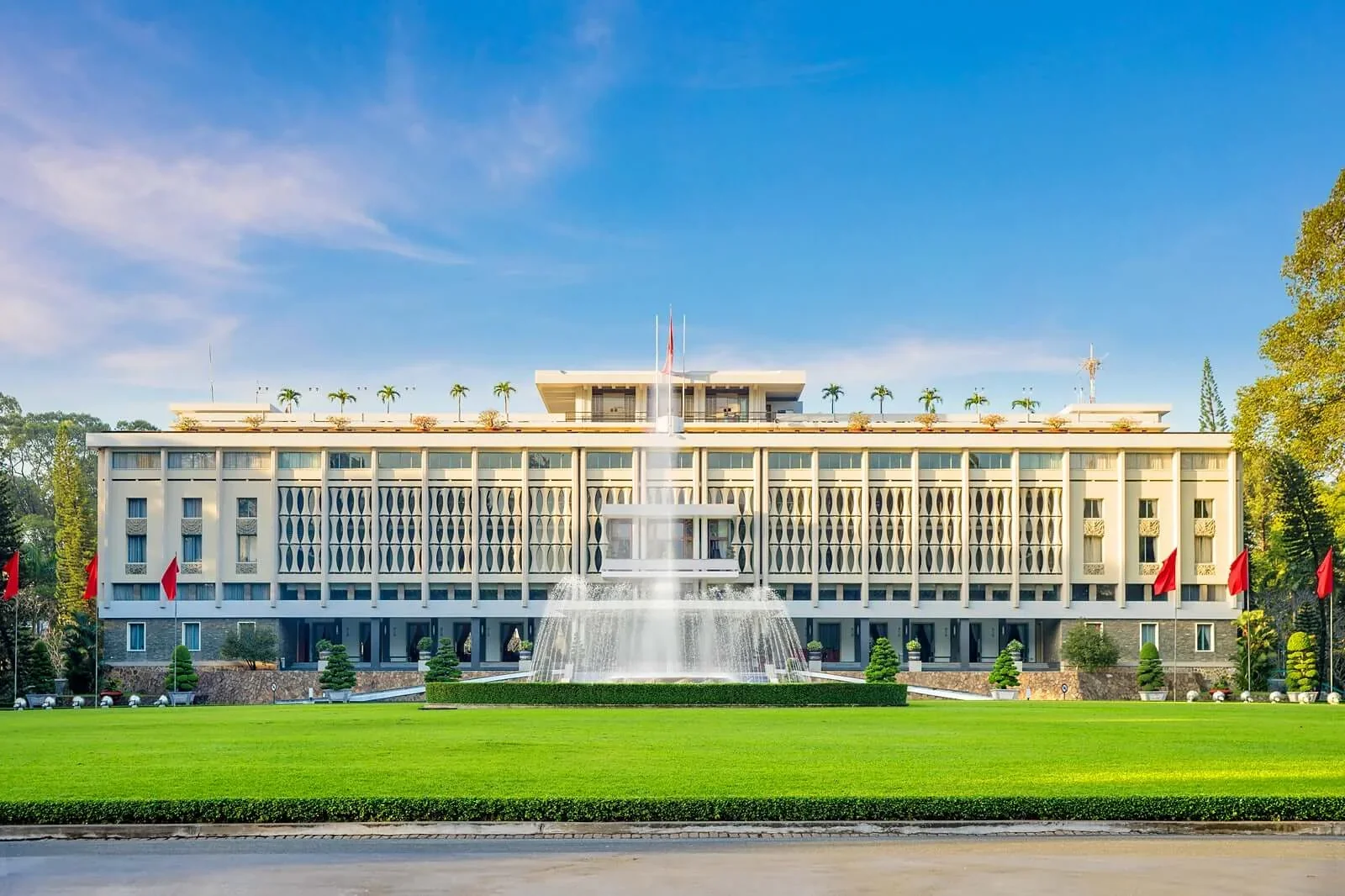
The Independence Palace, formally known as the Reunification Palace (Dinh Thống Nhất), is one of Ho Chi Minh City's most pivotal historical sites, serving as the former home and workplace of the President of South Vietnam. Designed in the distinctive Vietnamese Modernist style, the palace is renowned globally as the location where a North Vietnamese tank dramatically crashed through the front gates on April 30, 1975, symbolizing the Fall of Saigon and the reunification of Vietnam. Visitors can take a guided or self-guided tour through its opulent reception rooms, presidential living quarters, and the chilling, preserved underground bunker and command center filled with vintage communications equipment. A visit here is essential for a tangible understanding of the country's turbulent 20th-century history.
Nguyen Hue Walking Street
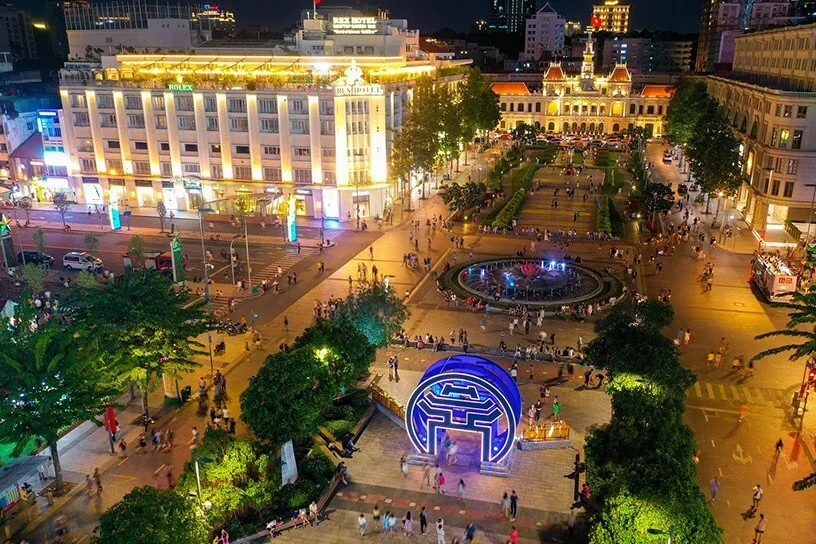
The Nguyen Hue Walking Street is a spacious, pedestrian-only boulevard that serves as Ho Chi Minh City's most modern and central public square, located right in the heart of District 1. Extending from the historic City Hall (HCMC People's Committee Building) down to the Saigon River, this avenue is a vibrant cultural hub, particularly popular in the evenings and on weekends when it fills with locals strolling, socializing, and enjoying the street performers. Key sights along the street include the large statue of Ho Chi Minh, colorful light displays, and the famous Café Apartment (42 Nguyen Hue), an old apartment block whose balconies have been converted into quirky coffee shops, boutiques, and co-working spaces. It offers a clean, well-organized contrast to the bustling markets, making it a perfect spot for people-watching and experiencing modern urban Saigon life.
Ho Thi Ky Flower Market

The Ho Thi Ky Flower Market is a massive, 24/7 wholesale hub tucked away in District 10, offering a dazzling and authentic sensory experience far from the main tourist trail. Often called "Little Da Lat" as many flowers are sourced from Vietnam’s highland city, the market is a chaotic yet beautiful maze where locals buy and sell hundreds of varieties of fresh blooms, especially during the frantic wholesale rush in the early morning (3 AM - 6 AM). For most visitors, the market is a must-see for photography and a unique cultural glimpse, which can be easily combined with a visit to the adjacent, popular Ho Thi Ky Food Street in the evening, creating a complete and off-the-beaten-path experience that is distinctly Saigonese.
Jade Emperor Pagoda
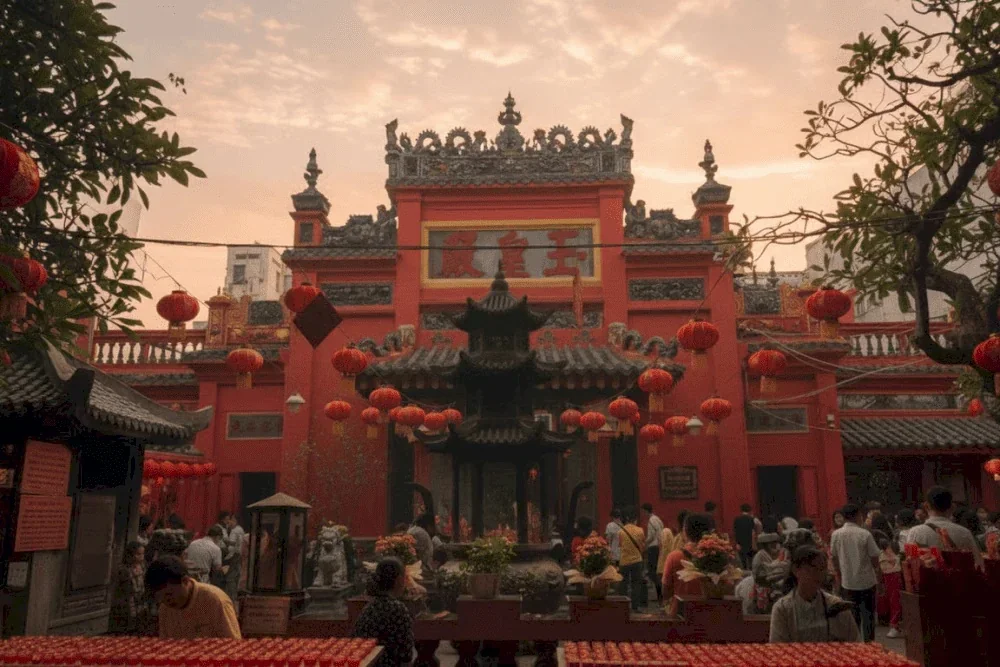
The Jade Emperor Pagoda (Chùa Ngọc Hoàng), a captivating and free-to-enter spiritual hub in District 1, is one of Ho Chi Minh City's most atmospheric and intricately decorated temples. Built in 1909 by the Cantonese community, it features a unique blend of Taoist and Buddhist beliefs, dedicated primarily to the Jade Emperor, the supreme Taoist god. The interior is a dark, mesmerizing maze filled with pungent incense smoke and elaborate artwork, including powerful paper-mâché statues of mystical figures, gods, and ferocious guardians. Key areas include the main hall for the Jade Emperor, the Hall of Ten Hells (with graphic carvings of afterlife punishments), and the shrine dedicated to Kim Hoa Thanh Mau (the Chief of All Women), where women often pray for fertility. Its ornate Chinese-style architecture, tiled roofs, and tranquil turtle ponds make it a profoundly enriching cultural and religious experience.
Golden Dragon Water Puppet Theatre
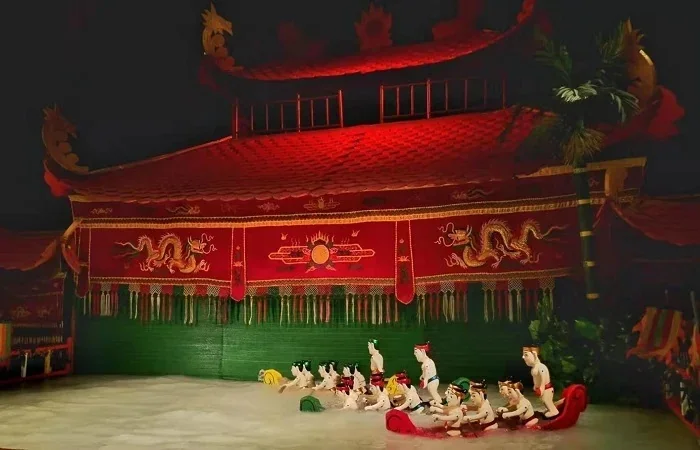
The Golden Dragon Water Puppet Theatre offers a magical and essential cultural experience right in the heart of District 1, showcasing the ancient and unique Vietnamese art form of water puppetry. Dating back over a thousand years, this tradition transforms a pool of water into a stage where intricately carved wooden puppets—controlled by skilled puppeteers hidden behind a screen—appear to dance on the surface. Performances are typically about 45 to 50 minutes long, depicting scenes from rural life, historical legends, and folklore, all brought to life by a live traditional Vietnamese orchestra playing folk music and singing narratives. Though the dialogue is in Vietnamese, the expressive movements, music, and dramatic lighting make the stories easy to follow and universally captivating, making it a highly recommended cultural activity for visitors of all ages.
Café Apartments
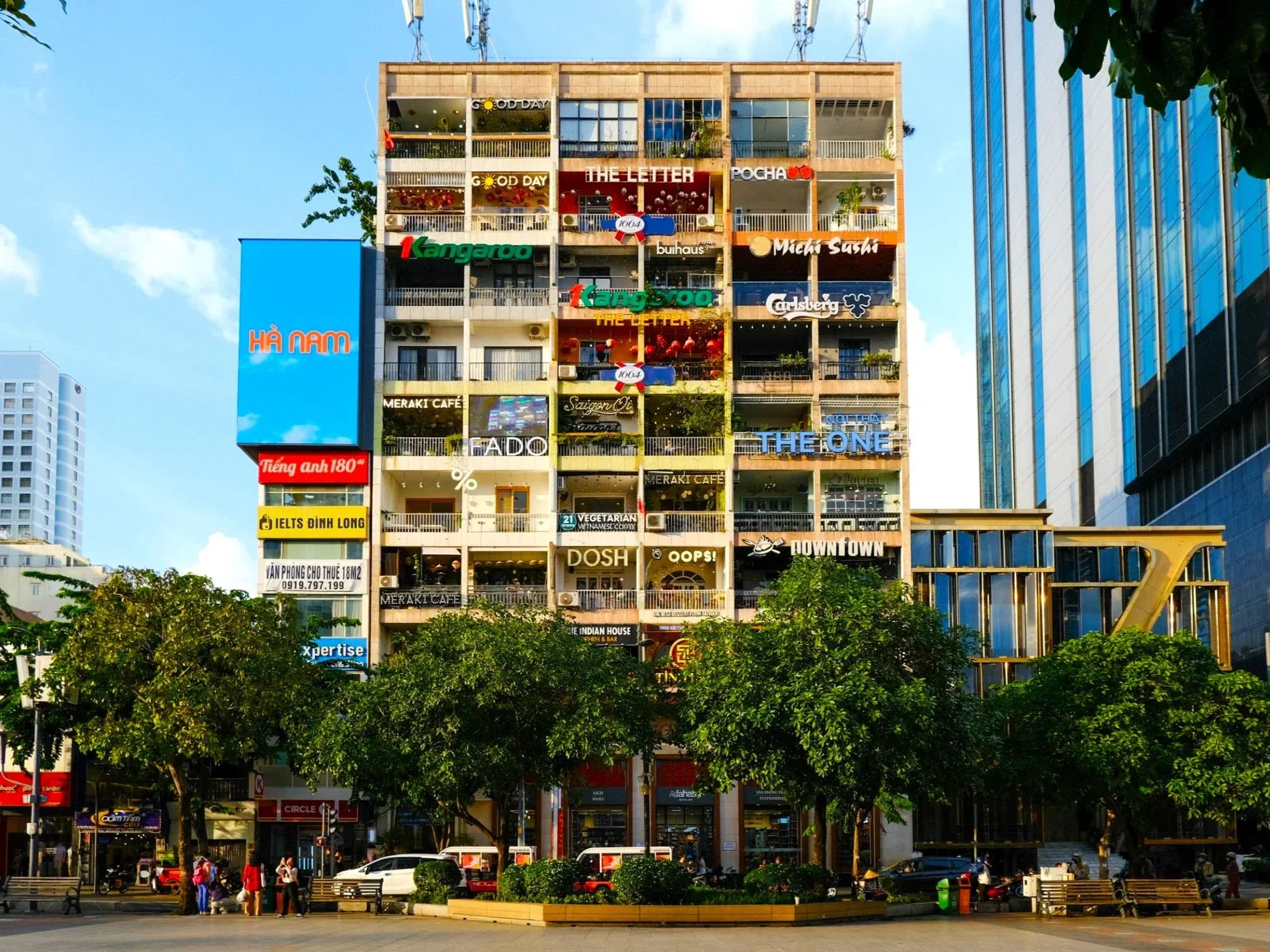
The Café Apartments (Chung Cư 42 Nguyễn Huệ) is one of Ho Chi Minh City's most iconic and unique modern cultural spots, located on the popular Nguyen Hue Walking Street. This nine-story, aged residential block has been brilliantly repurposed, with nearly every unit now housing a vibrant mix of trendy independent coffee shops, unique boutiques, minimalist co-working spaces, and quirky fashion stores. There is typically a small, nominal fee to use the central elevator, though many visitors opt to take the stairs to explore each floor individually. The best part is finding a cozy balcony café seat, where you can sip authentic Vietnamese coffee while enjoying a perfect, elevated view of the lively pedestrian street below, making it an essential stop for travelers interested in Saigon's contemporary design and café culture.
ADS PLACEMENT
Discover More
Related Articles