Japan Halal Guide 2026: 5 Essential Lists
Japan has rapidly transformed into one of the most Muslim-friendly non-OIC destinations in the world. As of 2026, the country has moved beyond basic "no-pork" options to a sophisticated ecosystem of certified luxury dining, high-tech prayer infrastructure, and mandatory labeling for exports.
1. The "Apostille-Free" Registration for Imports
In a major regulatory update for 2026, Japan has streamlined the process for exporting halal-certified goods to Southeast Asia. Under the latest agreements with Indonesia’s BPJPH, Japanese companies are now utilizing a simplified "Foreign Halal Certificate Registration" that no longer requires a cumbersome Apostille from the Ministry of Foreign Affairs. This has led to a massive influx of halal-certified Japanese snacks, sauces, and cosmetics in local convenience stores, making it easier for travelers to find familiar "Made in Japan" products that are guaranteed Sharia-compliant.
2. High-Tech Prayer Room Expansion
The "quiet question" of where to pray has been answered in 2026 with a nationwide expansion of smart prayer facilities. Following the success of the 2025 Osaka World Expo, major transport hubs like JR Tokyo and Osaka stations, as well as Haneda Airport’s Terminal 3, have upgraded their prayer rooms to include digital Qibla markers and sensor-based wudu (ablution) stations. These rooms now serve thousands of visitors monthly, and the Japan Tourism Agency has officially integrated "Prayer Space" filters into major domestic navigation apps, ensuring you are never more than a few minutes away from a clean, quiet space.
3. The Halal Wagyu and Sushi-Ken Revolution
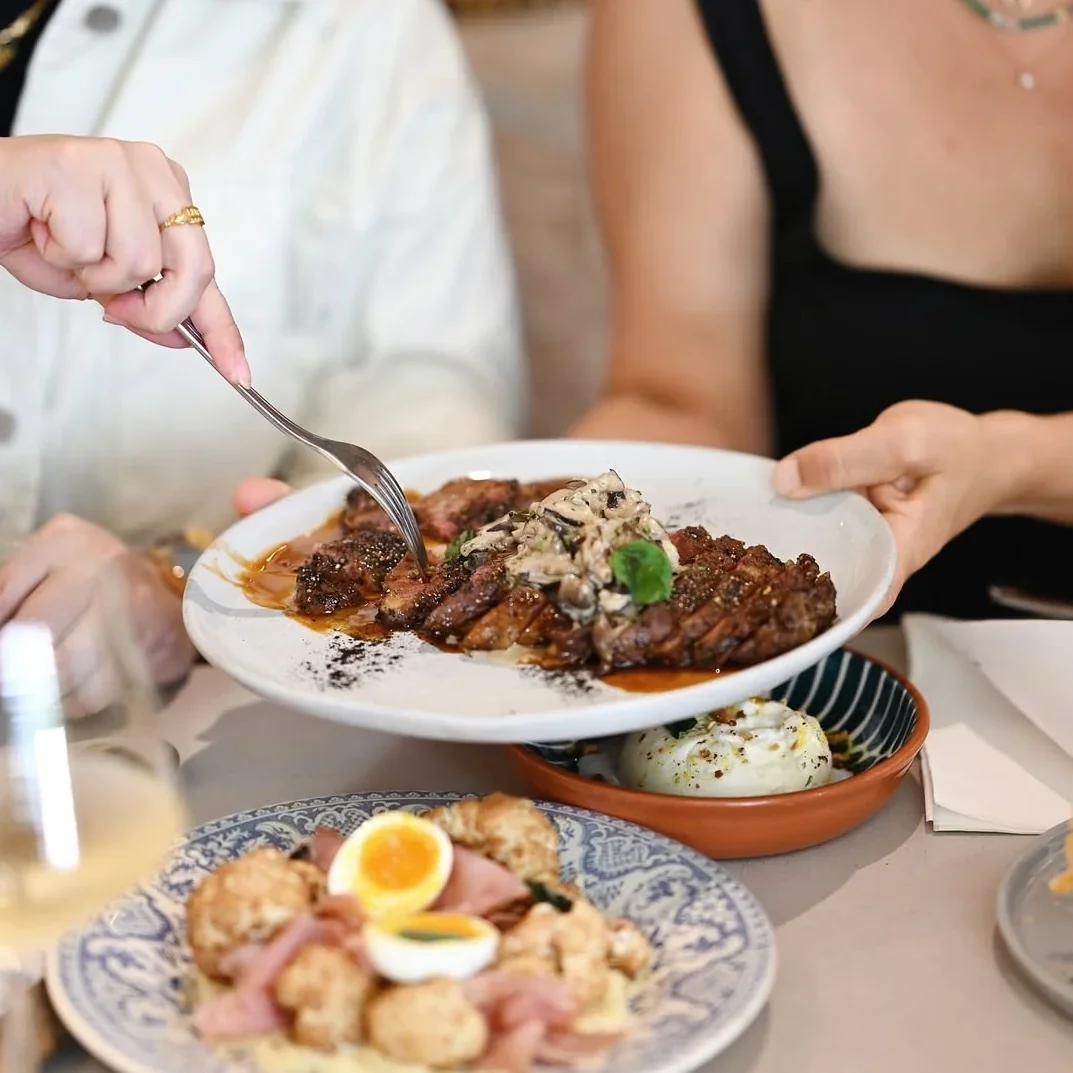
The dining scene in 2026 is dominated by "Authentic-Halal" fusion, where traditional Japanese craftsmanship meets strict certification. Establishments like Asakusa Sushi-Ken and various Wagyu Yakiniku spots have perfected halal-certified soy sauce and mirin-free sushi rice, allowing for a 100% authentic taste without religious compromise. New for 2026, many high-end "Kaiseki" (traditional multi-course) restaurants in Kyoto and Tokyo now offer dedicated halal menus that require only a 24-hour advance notice, bringing the pinnacle of Japanese fine dining to the Muslim traveler.
4. "Cool Escape" and Regional Halal Hubs
While the "Golden Route" (Tokyo-Kyoto-Osaka) remains popular, 2026 is the year of the "Regional Halal Hub." Prefectures like Hokkaido and Shizuoka have launched dedicated "Halal Portals" to attract Muslim travelers seeking nature and cooler climates. In Sapporo, seafood-based ramen shops have obtained formal certification, while Shizuoka offers "Halal Tea Experiences" near Mt. Fuji. These regions now provide specialized "Muslim-Friendly Maps" that highlight not just food, but also hotels with Qibla-oriented rooms and alcohol-free mini-bars.
5. Mandatory Halal Labeling for Beauty and Pharma
Reflecting the global shift in 2026, Japanese skincare and cosmetic giants (like Shiseido and various J-Beauty brands) have moved toward mandatory halal certification for products sold in the "Halal-Zone" of department stores. This update ensures that "wudu-friendly" (water-permeable) nail polishes and alcohol-free skincare are clearly labeled and tested in specialized Japanese labs. Travelers can now shop for high-quality Japanese beauty products with the confidence that they meet the same rigorous standards as halal food.
Related Articles