Hội An's Needle & Thread: Why This Ancient Town is the World's Tailoring Capital
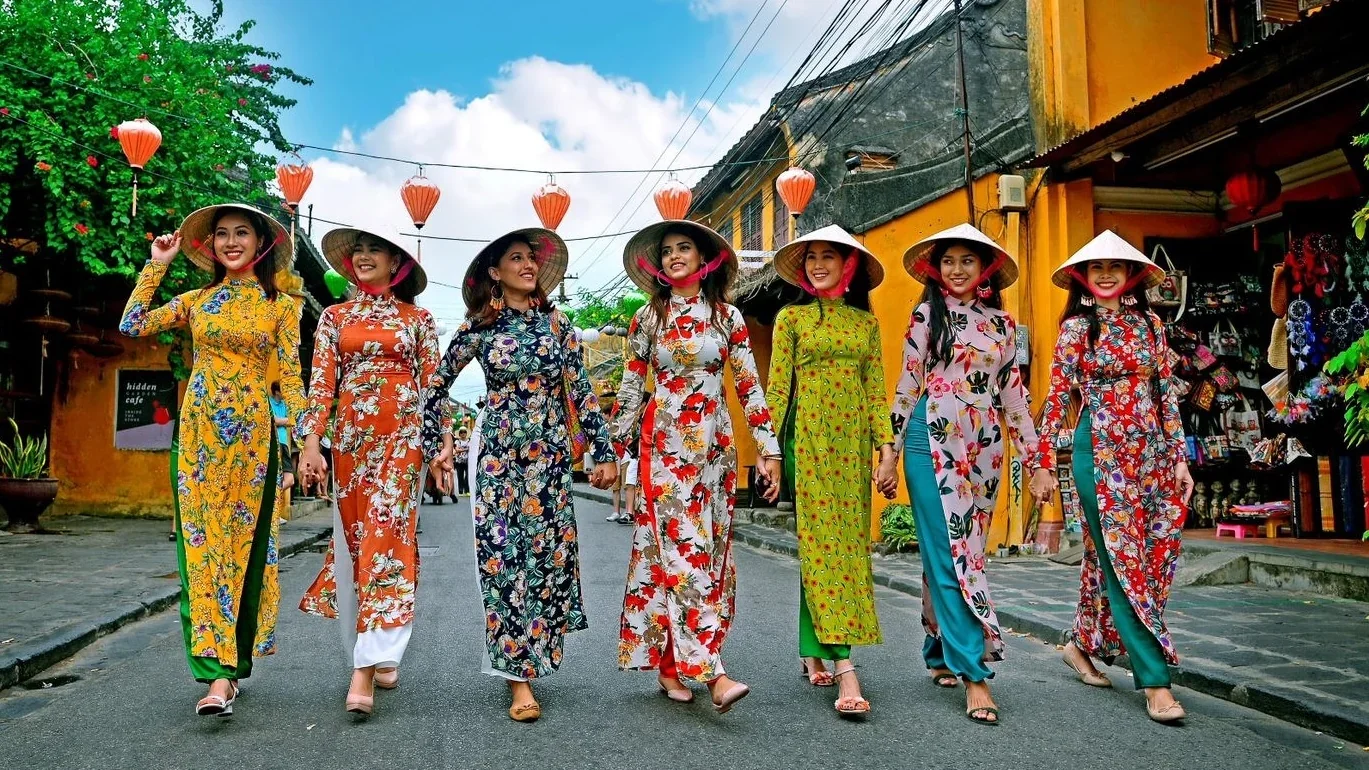
Dive deep into the history of Hội An's tailoring scene. While Vietnam is celebrated globally for its rich tailoring tradition—from the elegant Áo Dài to perfectly fitted business suits—it is within the narrow streets of this UNESCO Heritage town that the facts become truly extraordinary. How does a town packed with centuries-old history manage to also be the undisputed world capital of 24-hour tailoring? This efficiency isn't just a marketing gimmick; it's a testament to a deeply specialized system of speed, skill, and fabric mastery that defines the facts of custom clothing in Vietnam.
1. Hội An is the Undisputed Global Capital of Fast Tailoring
While quality tailors can be found in Hanoi and Ho Chi Minh City, Hội An is the epicenter of the custom clothing industry for tourists. This UNESCO World Heritage town hosts hundreds of competing shops, creating an ecosystem focused on speed and high volume. It is often cited as one of the fastest tailoring services in the world.
2. 24-Hour Turnaround is a Reality, Not a Myth
For simple garments like shirts, trousers, or basic dresses, many reputable tailors can genuinely complete the entire process—from initial measurement to final collection—in 24 to 48 hours. This speed is achieved through efficient processes, dedicated in-house workshops, and a focus on serving short-term tourists. For a complex suit or gown, however, expect and budget for 2-3 days to allow for crucial fittings.
3. The Prices Are a Fraction of Western Costs
The cost of custom tailoring in Vietnam is dramatically lower than in Western countries. A high-quality, fully-lined, bespoke suit that might cost over $1,000 in London or New York can often be acquired for $150 to $400 in Vietnam, depending on the fabric quality. This high value-for-money is a primary driver of the industry's popularity.
4. The Traditional Áo Dài Requires Exceptional Skill
The iconic Áo Dài (Vietnam's national garment: a long, split tunic worn over trousers) is the ultimate test of a tailor's precision. Its form-fitting silhouette with high side-slits demands meticulous measurements and adjustments to ensure it drapes perfectly, allowing for both elegance and ease of movement. The best tailors use traditional techniques, often passed down through generations, to achieve this flawless fit.
5. Bespoke Replications are a Common Specialty
Vietnamese tailors are highly skilled in replicating garments. It is a common practice for customers to bring a favorite suit, dress, or even a photo of a high-end designer item, and the tailor will reproduce the piece from scratch. This ability to reverse-engineer and customize styles is a key strength of the local trade.
6. Multiple Fittings are the Non-Negotiable Sign of Quality
A crucial differentiator between a high-quality tailor and a rushed mass-production shop is the number of fittings. Any good tailor will insist on at least two fittings (and often three for complex items like suits). The first fitting uses a loosely-stitched shell (basted fit) to check the major proportions before final construction. If a shop promises perfection after just one fitting, proceed with caution.
7. Negotiation and Research are Essential
While prices are low, they are not always fixed, particularly in tourist-heavy areas like Hội An. It is wise to shop around and compare prices and fabric quality among 2-3 different establishments before committing. A clear understanding of your desired fabric (e.g., pure wool vs. a polyester blend) is the most powerful tool in ensuring you get both a fair price and the quality you expect.
ADS PLACEMENT
Discover More

Related Articles