A Beginner’s Guide to Seeing Mount Fuji
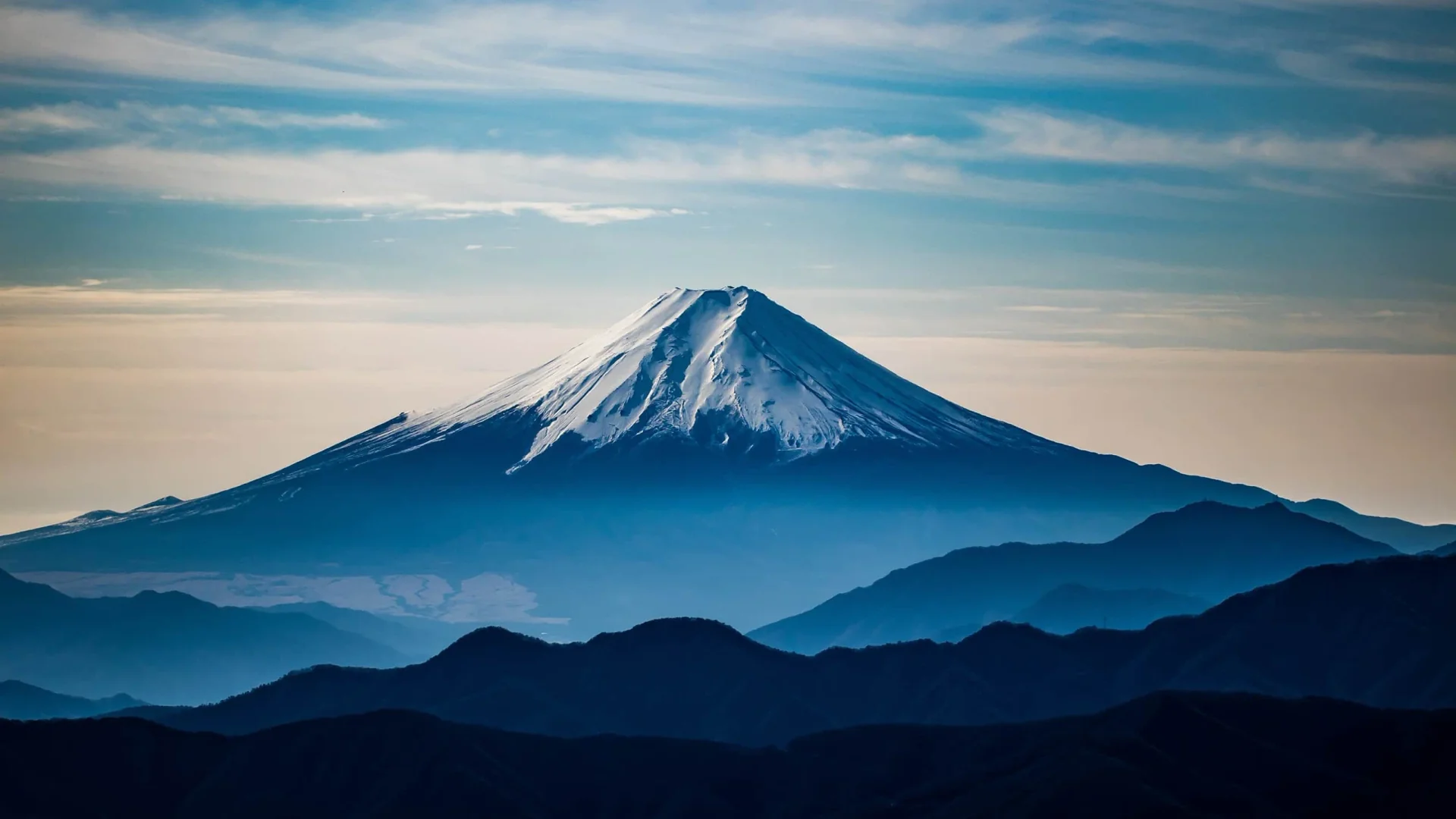
For many, a trip to Japan is incomplete without seeing the iconic snow-capped peak of Mount Fuji. However, spotting it requires more than just luck—it requires a strategy. Based on the latest travel trends and accessibility updates for 2026, here are the best vantage points for your first encounter.
1. Lake Kawaguchiko: The Classic "Front Row" Seat
Kawaguchiko remains the most popular choice due to its direct accessibility from Tokyo (approximately 2 hours via bus or the Fuji Excursion train).
Oishi Park: Located on the northern shore, this park offers an unobstructed view of the mountain framed by seasonal flora, such as lavender in summer or crimson Kochia bushes in autumn.
The "Lawson" Aesthetic: While the shot of Fuji looming over a convenience store remains a viral favorite, please note that as of 2025/2026, local authorities have implemented designated viewing zones to manage crowds. Always use the official pedestrian crossings and stay within safe zones.
2. Chureito Pagoda: The "Postcard" View
If you are looking for the quintessentially Japanese image—a red pagoda, cherry blossoms (or autumn leaves), and Mount Fuji—this is the spot.
Location: Arakurayama Sengen Park.
The Climb: Prepare to conquer nearly 400 steps. It is highly recommended to arrive before 8:00 AM to beat the tour groups and capture the mountain in the crisp morning light.
3. The Tokaido Shinkansen: Fuji at 300 km/h
If your itinerary is packed and you are heading from Tokyo to Kyoto or Osaka, you don’t even need to leave your seat to see the peak.
The Right Seat: When traveling West from Tokyo, book Seat E (Window). If you are traveling back toward Tokyo, book Seat A.
The Timing: The mountain appears approximately 40–50 minutes into the journey, specifically around the Shin-Fuji Station area. Keep your camera ready!
4. The Urban Silhouette: Tokyo’s Free Observation Decks
Can't make it out of the city? You can still see Fuji from 202 meters above the ground in the heart of Shinjuku.
Tokyo Metropolitan Government Building: The observation decks here are free of charge. On clear days—particularly during the colder months—Fuji’s silhouette stands out dramatically against the urban skyline.
Pro-Tips for a Successful Sightings (2026 Edition)
Prioritize Winter (November – February): This window offers the highest probability of visibility due to dry air and clear skies. Summer is notoriously humid, often cloaking the mountain in thick mist.
The "Morning Rule": Fuji is most visible between 6:00 AM and 9:00 AM. By noon, clouds usually begin to gather around the summit.
Check the Live Cams: Before spending money on a bus or train ticket, check "Fuji Live Cams" online to see the real-time conditions at the lake.
Data-Driven Travel: Use websites like isfujivisible.com. These tools use weather data to provide a "visibility index," helping you decide if it’s worth the trip.
Seeing Fuji is an exercise in patience. If it’s hidden today, don’t be discouraged—the moment the clouds part to reveal that perfect cone, you’ll realize it was worth the wait.
Discover More