
Essential Vietnam Travel Guide for First-Timers

Visiting Vietnam for the first time can be both exciting and overwhelming. With its unique blend of history, hospitality, and natural beauty, Vietnam promises endless discoveries — but preparation is key. This guide walks you through travel essentials, visa tips, cultural etiquette, and must-visit destinations to make your first trip smooth and memorable.
What is the best time to visit Vietnam for the first time?
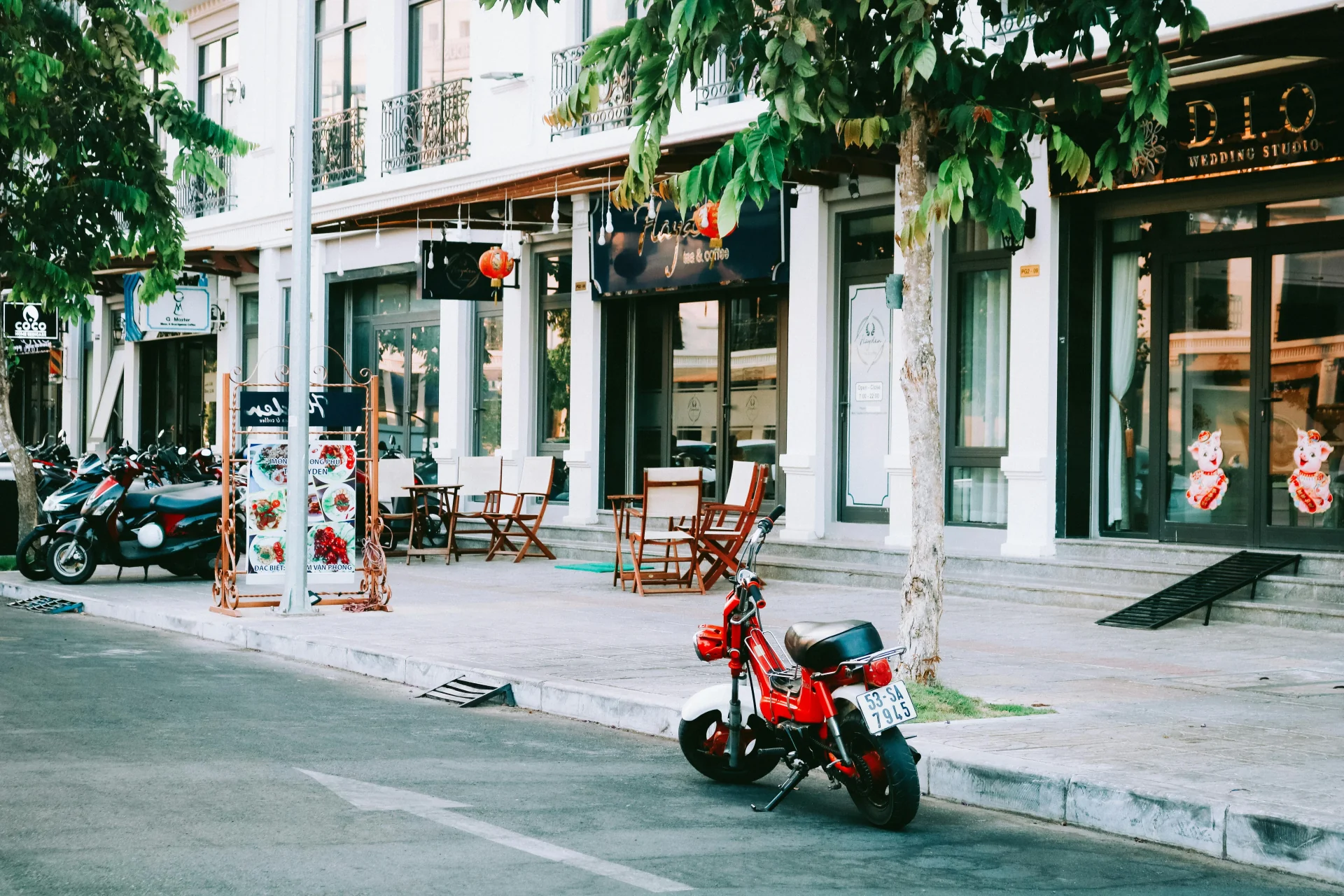
The best time to visit Vietnam is generally between March and April and September and November, which offer pleasant weather across the country.
- March to April is the best time to visit Vietnam, as the weather is pleasantly mild across the country. In the north, destinations like Hanoi, Sapa, and Ha Long Bay enjoy cool temperatures and beautiful spring blossoms that color the landscapes. Central Vietnam, including Hue, Da Nang, and Hoi An, starts to warm up with clear skies, perfect for sightseeing and exploring heritage sites. Meanwhile, the south — from Ho Chi Minh City to Phu Quoc — basks in sunny days and calm seas, ideal for beach lovers. With light rainfall and comfortable temperatures, March to April offers a balanced climate for travelers looking to experience Vietnam from north to south.
- September–November is a wonderful time to visit Vietnam, as the weather becomes cooler and more comfortable throughout the country. In the north, the heat and humidity ease, giving way to clear blue skies and crisp air — perfect for sightseeing in Hanoi or trekking through Sapa. This season also marks the rice harvest in northern regions like Mu Cang Chai and Ninh Binh, where the terraced fields turn a stunning golden hue, making it a paradise for photographers and nature lovers. Central Vietnam enjoys relatively dry weather, ideal for exploring Hoi An’s ancient town or the imperial city of Hue. In the south, rainfall begins to taper off, and the pleasant temperatures make city walks and countryside tours more enjoyable.
Where to visit in Vietnam for the first time?

For first-time visitors, Vietnam offers a fascinating journey from north to south, with each region showcasing its own unique charm.
- Start in the northern capital, Hanoi, where centuries-old temples, colonial architecture, and vibrant street food scenes reveal the country’s rich cultural heritage. Just a few hours away lies the world-famous Ha Long Bay, a UNESCO World Heritage Site known for its emerald waters and towering limestone islands — best explored by an overnight cruise.
- Moving southward, the ancient town of Hoi An enchants travelers with its lantern-lit streets, traditional houses, tailor shops, and diverse local cuisine blending Vietnamese, Chinese, and French influences.
- Finally, end your journey in Ho Chi Minh City (Saigon), Vietnam’s bustling economic hub, where modern skyscrapers stand alongside historical landmarks and energetic markets, offering a glimpse into the country’s dynamic urban life.
How much time should to spend in Vietnam for the first time?
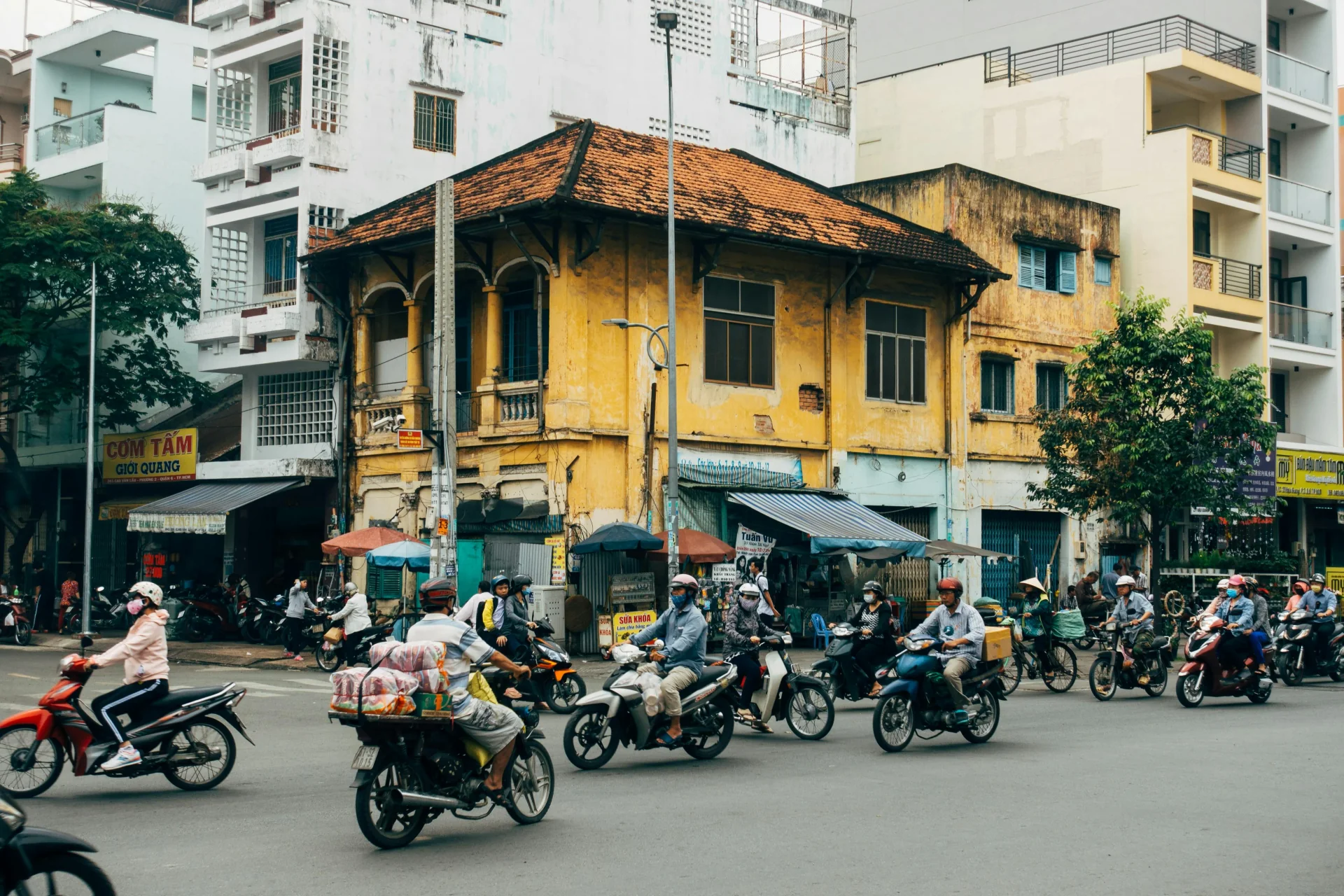
For first-time visitors, spending 10 to 14 days in Vietnam is ideal to experience the country’s highlights without feeling rushed.
- A 10-day itinerary typically covers the must-see destinations — starting in Hanoi to explore its Old Quarter and street food culture, continuing with an overnight cruise in Ha Long Bay, and then flying south to Hoi An or Da Nang for a mix of history, beaches, and local cuisine.
- If you have 14 days, you can enjoy a more relaxed pace and include additional stops such as Hue, with its imperial citadel, or Ho Chi Minh City, where modern life meets wartime history.
- For travelers seeking a deeper cultural immersion, a 3-week journey allows you to experience more regional diversity — from trekking in Sapa’s rice terraces and exploring Phong Nha’s caves to cruising through the Mekong Delta’s floating markets.
What to prepare for traveling to Vietnam for the first time?
.webp)
Before embarking on your first trip to Vietnam, a bit of preparation goes a long way in ensuring a smooth and enjoyable journey.
- Start by checking visa requirements for your nationality, as many travelers can now apply online for an e-visa that allows stays of up to 90 days. Make sure your passport is valid for at least six months beyond your planned departure date.
- It’s also wise to get recommended vaccinations (such as hepatitis A, typhoid, and tetanus) and arrange comprehensive travel insurance that covers medical emergencies and trip delays.
- When packing, bring light, breathable clothing suitable for the tropical climate, a light rain jacket or poncho for sudden showers, and comfortable walking shoes for sightseeing.
- Always use bottled or filtered water, and familiarize yourself with Vietnamese dong (VND) since cash is still widely used, especially in local markets.
- Before you arrive, plan a rough itinerary, book at least your first night’s accommodation, and learn a few basic Vietnamese phrases like xin chào (hello) and cảm ơn (thank you) — small gestures that go a long way in connecting with locals and enhancing your travel experience.
ADS PLACEMENT
Discover More

Related Articles

Featured






.webp)